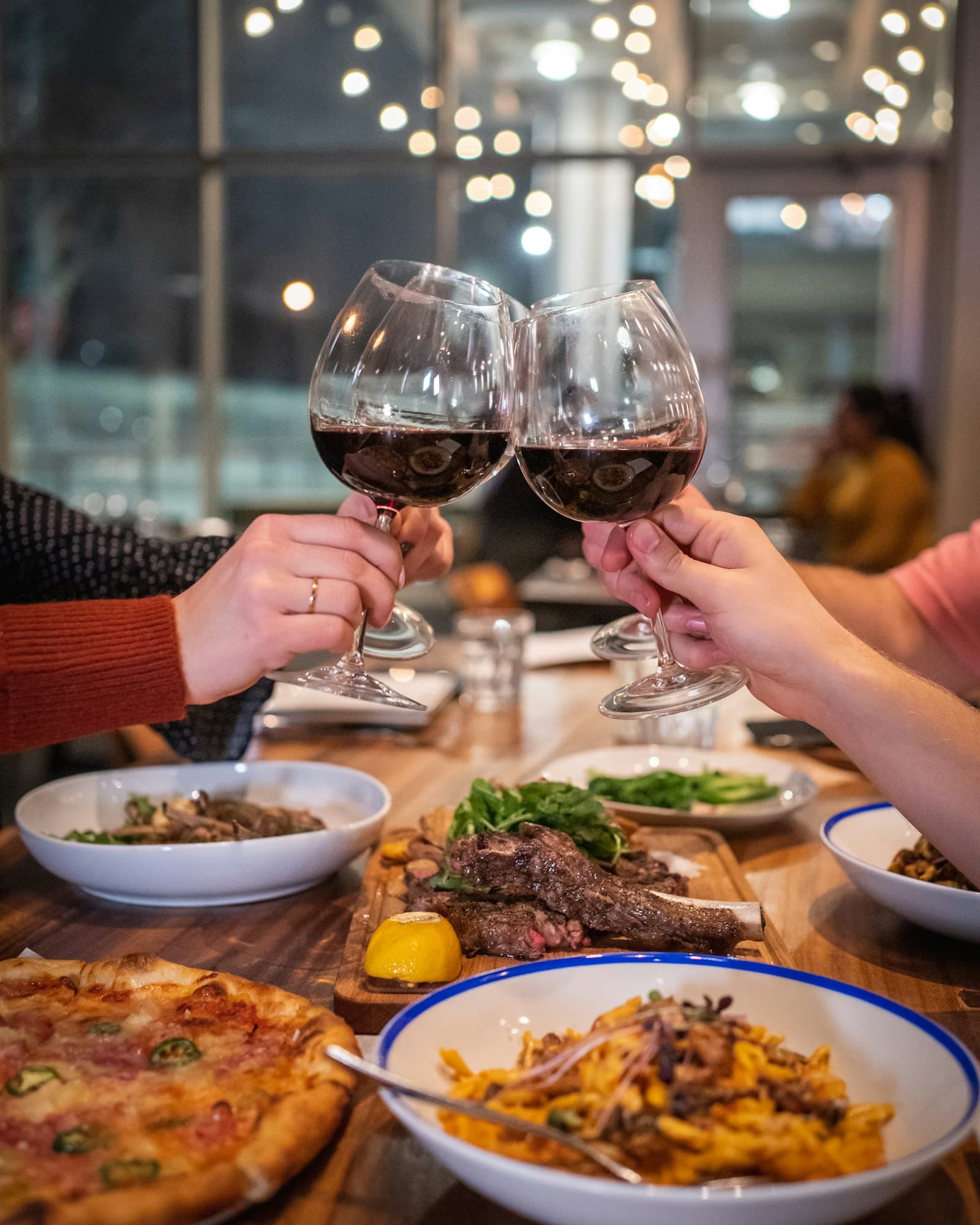
Define the introduction you want to make possible
Before choosing the wines, decide why the group is gathering. An association welcoming new members needs a different rhythm from a conference reception where people already have full agendas. Write one sentence describing the desired interaction, then choose the tasting format that supports it.
A wine host gives people something to discuss, but does not automatically become a networking facilitator. Assign a separate organizer to welcome newcomers, make introductions, and help anyone standing alone. That role matters as much as the wine selection.
Use an agenda that survives late arrivals
The following 90-minute outline is an illustrative planning model, not a fixed service package. It keeps the essential instructions repeatable so a guest arriving late can still take part.
| Window | Activity | Owner |
|---|---|---|
| 0–15 minutes | Arrival, water, badges, first introductions | Organizer and welcome contact |
| 15–25 minutes | Brief welcome and first wine conversation | Organizer, then wine host |
| 25–65 minutes | Hosted tasting moments and open networking | Host and introduction facilitator |
| 65–80 minutes | Final comparison and useful connections | Host and organizer |
| 80–90 minutes | Close, optional next steps, departures | Organizer and service team |
Separate the queue from the conversation
Place registration where it does not block the tasting station. Give people a place to put a glass down while making introductions. If food and wine are served from the same narrow surface, guests may spend more time waiting than talking; review the layout with the venue before confirming the format.
For a larger group, ask the operator how staffing and replenishment will work. Multiple stations only help when the service team can support them. Include water, accessible seating, and a clear route through the room. Non-drinking guests should have an equally natural way to join the conversation.
Choose prompts that do not test expertise
Use questions that anyone can answer: which wine would you bring to dinner, what surprised you, or which food would you try with it? These can lead into a conversation between guests without requiring them to identify a grape or know technical vocabulary.
Avoid forced sales pitches in every rotation. If the organizer has an announcement, give it a defined moment rather than interrupting each tasting explanation. Make sponsor involvement clear in the invitation so guests understand the purpose of the event.
Follow up with permission and a useful reason
The day after the event, an organizer can share the bottle list, agreed resources, and a link to the next gathering with people who opted into that communication. Do not distribute an attendee contact list simply because people attended. Ask how guests want to stay connected.
For the event proposal, send the date, headcount range, venue, arrival pattern, budget, and registration owner. Include whether the host is expected to lead group rotations or simply provide tasting conversations. This prevents a service gap when the doors open.
Make this your next gathering
Use the guide to shape your own event or request a hosted experience. Share your date, guest count, NYC location, and budget; the final proposal confirms availability, the event operator, and the service responsibilities.
Quick answers
Wine tasting planning FAQ
Should we schedule a full wine class during a mixer?
Only if education is the primary purpose. For networking, a shorter shared moment or repeating introductions usually leaves more room for conversation.
How should we measure success?
Use a few relevant signals: attendance, useful introductions reported by guests, and interest in another event. Do not assume wine consumption indicates engagement.