Arrival
The first pour and guest setup are ready before the host begins.
Keep the conversation moving
Request a standing wine tasting reception in NYC. Plan hosted stations, staggered arrivals, food service, and a room that works for mingling.
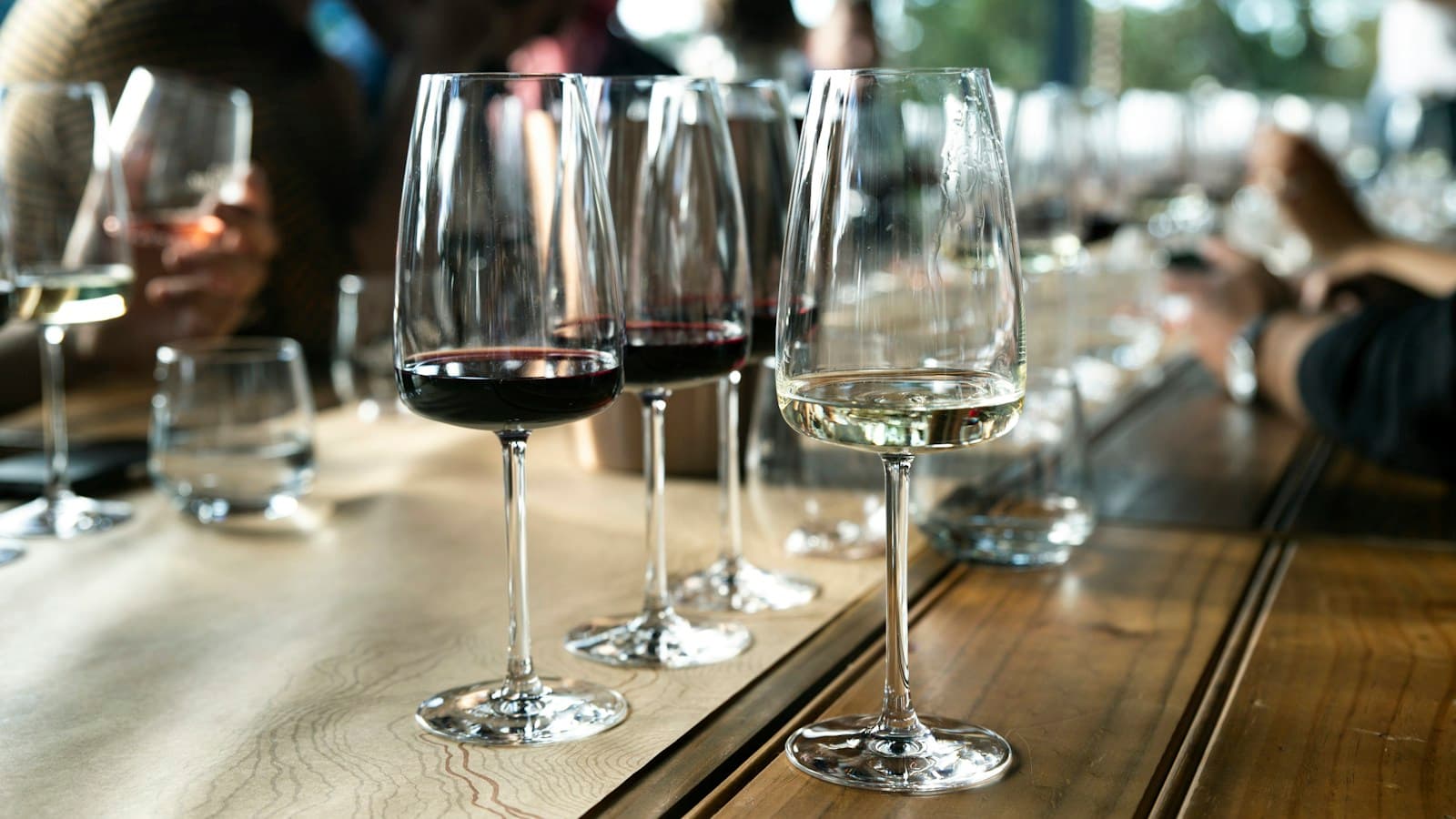
How the room runs
The first pour and guest setup are ready before the host begins.
The tasting has enough structure to create discovery without becoming a lecture.
Food, glassware, leftover wine, and cleanup responsibilities are clear before booking.
The experience
Give a standing reception a little more discovery than a conventional drinks service. Guests can visit a hosted wine station, hear a short introduction, and return to their conversations. The format suits a social room with staggered arrivals, provided the layout, staffing, and replenishment are planned around real guest flow.
Share the room plan and arrival pattern, not only the final RSVP total. Fifty people arriving together create a different service problem from fifty arriving across an evening.
Keep wine explanations short and repeatable. Guests should be able to join the experience without waiting for a formal class to restart.
WineTasting.NYC plans events directly and with hosting partners. Your proposal identifies the event operator, contracting party, scope, and availability before you book.
Updated
Place the tasting where guests can approach and move away without blocking the entrance. Keep water and used-glass return accessible, and leave room for the host to speak without competing with loud music. If one person is explaining and pouring, the proposal should account for the resulting service pace.
More stations do not automatically mean a better event. Each adds staffing, stock, surface area, and glassware requirements. Start with the likely crowd at the busiest moment.
A wine-led reception can be highly social or include a brief shared tasting. State the level of instruction you want so staffing and timing match.
| Approach | How guests participate | What matters most |
|---|---|---|
| One hosted station | Drop in for a short comparison | Queue space and repeatable explanations |
| Several themed stations | Explore in any order | Consistent service and clear signage |
| Shared opening, then mingling | Taste together before circulating | A reliable start time and audible host |
Standing guests need a practical way to hold a glass and eat. Discuss plate size, places to set items down, and whether food is passed or placed at a separate table. Agree who clears used items throughout the event.
Send your venue, guest count, arrival window, occasion, and budget. Include any speeches, performance, or fixed end time. A clear final-service window helps the host finish gracefully and gives the venue a realistic handover plan.
Questions
No. The proposal defines the tasting wines, quantities, staffing, and service window. General bar service must be separately agreed.
They can in a station format designed for that flow. A host may recommend an order while keeping the experience flexible.
Yes. Set a service pause and confirm sound requirements so the presentation and pouring do not compete.