Use a reception model
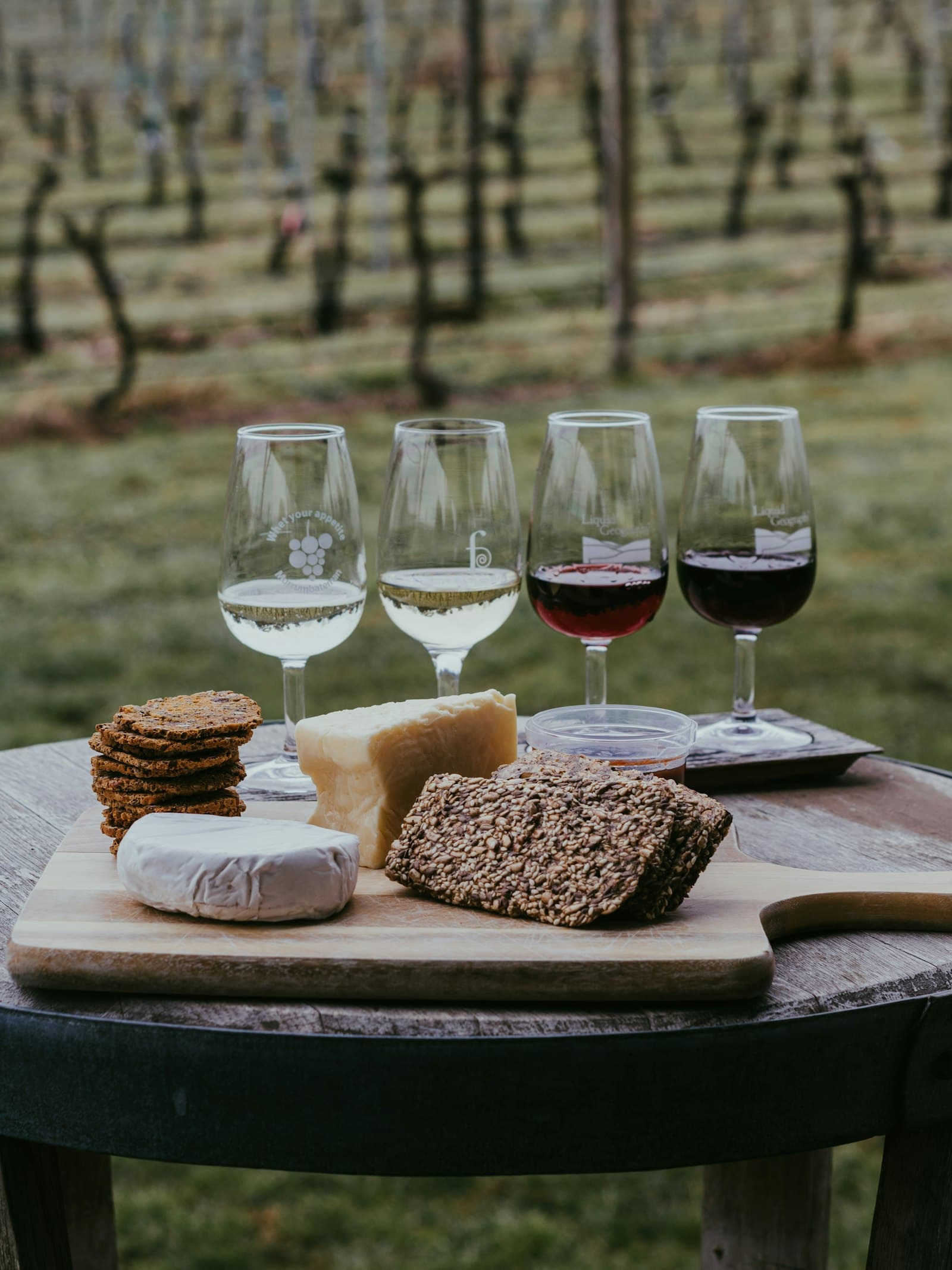
At 100 guests, the best experience is usually a reception with tasting stations, a welcome pour, or several short guided moments instead of one long synchronized class.
That lets guests arrive at different times, move naturally, and participate without creating a single queue or bottleneck.
Plan staffing around flow
Staffing should cover pouring, replenishment, guest questions, food or pairing points, water, glassware, and cleanup. One host cannot solve every service point alone.
The proposal should identify expected tasting participation, station count, room layout, service window, and who is responsible for venue and catering coordination.
Make the close as clean as the opening
Large events need a real closeout plan: empty-bottle handling, glassware, trash, leftover product, food removal, and the venue's end-of-service rules.
Those details are easy to ignore during planning and expensive to improvise on event day, so include them in the quote assumptions.