Start with the room, not the wine
A Midtown conference room, Flatiron event floor, SoHo loft, and Financial District private dining room all change the scope before a bottle is selected.
The useful first questions are guest count, room layout, arrival flow, building access, timing, budget, and whether the event is internal or client-facing.
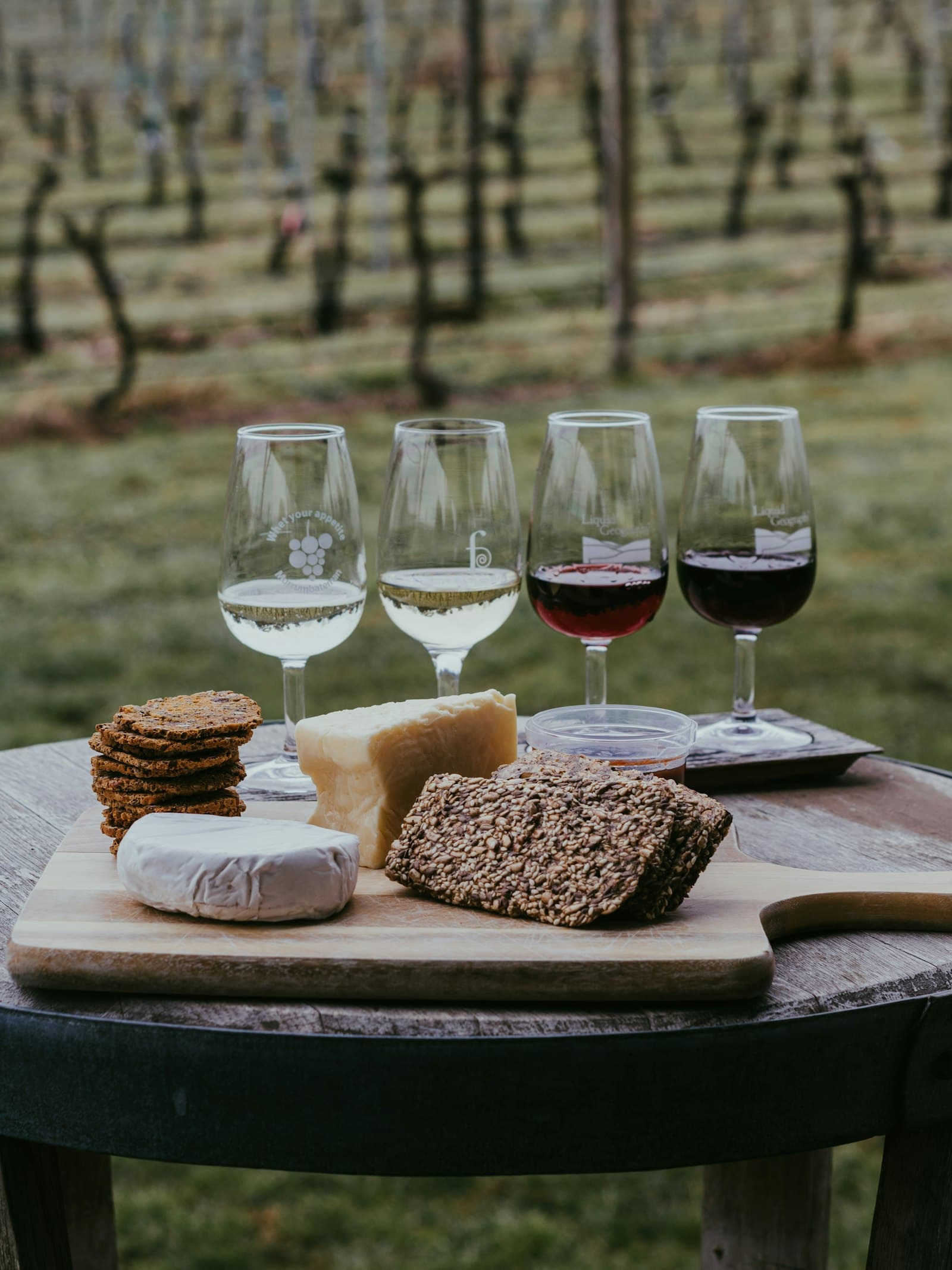
Choose the format by business context
Internal team events can handle a blind tasting, old-world versus new-world comparison, or wine-and-cheese pairing. Client and executive rooms usually need calmer pacing, stronger glassware assumptions, and a host who supports conversation rather than presenting for too long.
For Manhattan offices, a 60 to 90 minute tasting often fits better than a long class because guests are arriving from meetings or heading to dinner.
Make compliance visible early
Many Manhattan buildings ask for vendor registration, Certificate of Insurance, loading instructions, security names, freight access, or after-hours rules.
Put those details into the intake before the proposal is written so pricing and timing reflect the real event, not a generic tasting package.
Use a proposal that answers planner risk
A serious proposal should state what is included, what the host or venue provides, what remains to be confirmed, and how food, glassware, cleanup, non-alcoholic options, and timing will work.
That level of detail is what separates a low-risk corporate tasting from a nice idea that still needs too much planner labor.