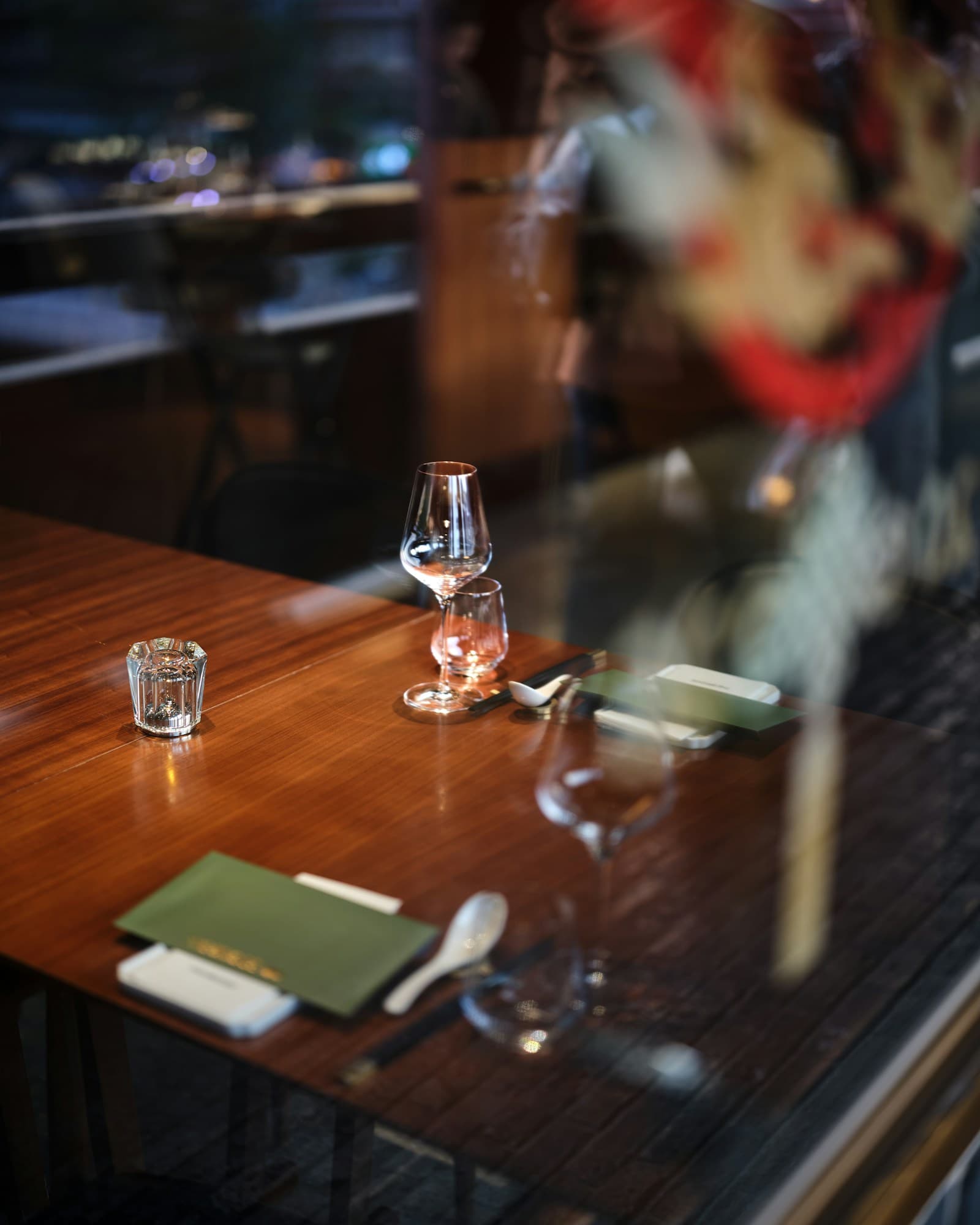
When does the room need to stop moving?
A product reveal competes with every moving tray, conversation, and glass collection in the room. Mark the exact point when service should pause and identify who gives that cue. Keep the wine introduction separate from the main presentation unless the connection is genuinely useful to guests. The wine host should not be expected to deliver brand claims or operate the product demonstration without a separate agreement. A clear run of show lets hospitality support the event rather than accidentally pull attention from its purpose.
Make these decisions first
Write down the choices that determine the experience before comparing providers or buying materials. A short, specific brief makes it easier to see whether a proposal actually matches what your group needs.
- Name one production lead who controls timing changes.
- Define the service pause around the reveal and any filming.
- Separate guest check-in, brand consent, and wine service responsibilities.
Use a run of show with clear responsibilities
This worksheet is an illustrative planning tool. Adapt the sequence with your host and venue; it is not a confirmed program or a promise of particular inventory.
| Stage | What to arrange | Why it matters |
|---|---|---|
| Arrival | Welcome and first pour | Guest experience lead |
| Pre-reveal cue | Pause trays and collection | Production lead |
| Presentation | Brand demonstration | Brand presenter |
| Conversation | Resume guided wine moments | Wine host and floor lead |
| Close | Clear exit and agreed follow-up | Event organizer |
Plan the room as carefully as the theme
Walk through the route between the pouring station, guest area, and demonstration space. Keep service away from fragile displays, cables, and camera sightlines. If the event has a press window or timed appointments, share those details before staffing is quoted. Agree whether the tasting is a seated chapter or short conversations throughout the reception; the same host cannot be assumed to cover both at once.
The planning mistake to avoid
Avoid adding a long tasting lesson because the agenda has an empty block. Guests may need that time to try the product, speak to the team, or complete a scheduled interview. Also avoid placing wine-related imagery or labels in branded materials before the flight is confirmed. A last-minute sourcing change should not require reprinting the entire event package.
Give the evening a useful finish
Keep a final run-of-show document with cues, contacts, and the approved wine list. After the event, review where queues formed and whether the reveal remained audible. Those operational details improve the next launch more than a simple attendance total.
Turn your notes into an NYC event brief
Send the date, guest range, neighborhood or venue, and spending allowance together. Identify what you already have and what needs arranging: host, wine, food, glassware, equipment, or space. Ask the provider to separate those responsibilities and to explain any proposed substitutions before you approve the event.
Keep the approved scope and your final schedule in one place. If the headcount, venue, or activity changes, have the operator confirm how that affects preparation and cost. A clear handoff gives the host time to focus on guests rather than resolve unanswered planning questions at the door.
Quick answers
Wine tasting planning FAQ
Can the wine host present our product?
That is outside the default tasting scope. Request any brand presentation role explicitly so preparation, messaging, and responsibilities can be agreed.
Is this a fixed event package?
No. The worksheet is a planning example. A private event requires a confirmed date, scope, operator, and proposal.