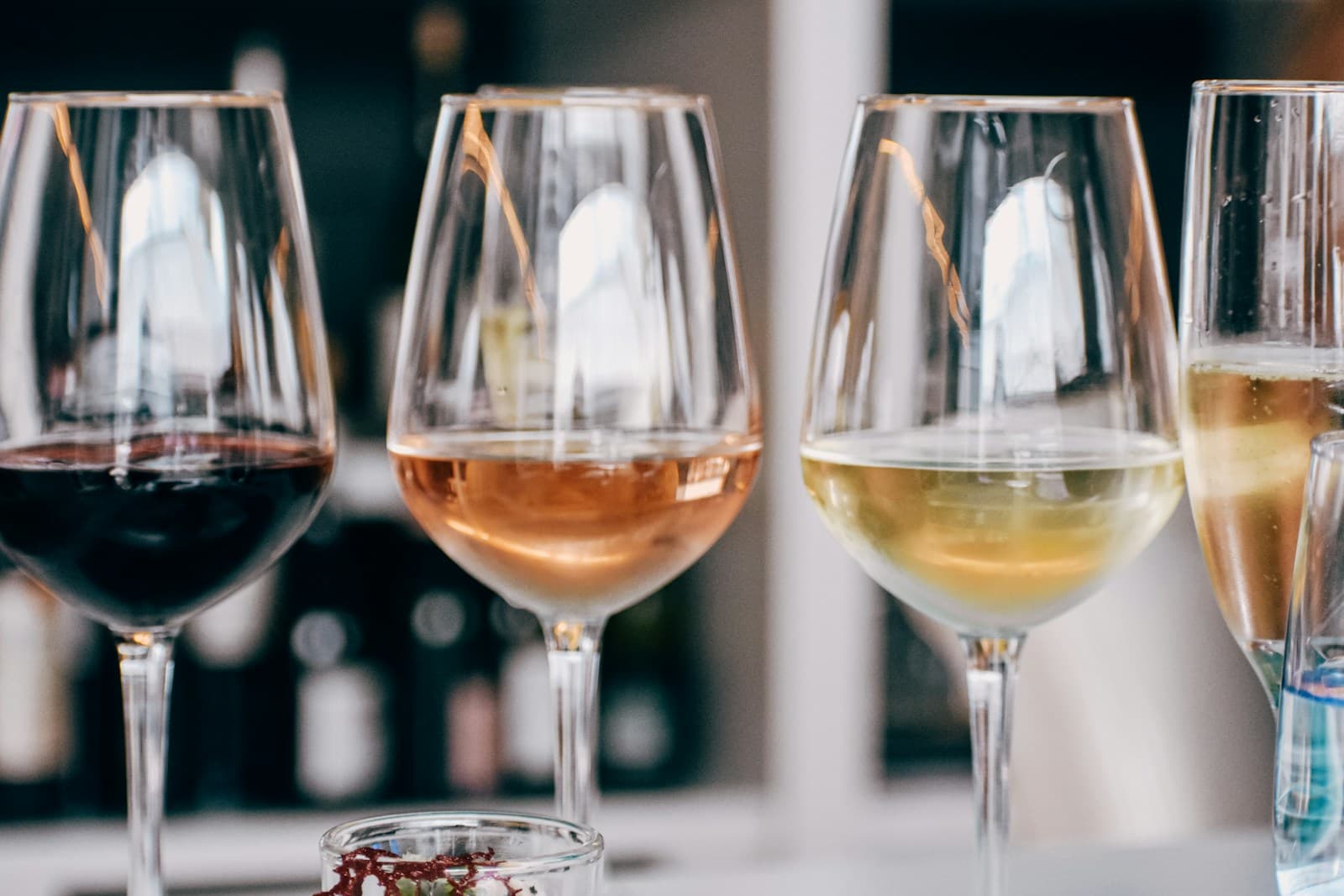
Use the labels as a question, not an answer
Old World and New World are broad wine-world shorthand, commonly separating European wine traditions from regions elsewhere. They can give a tasting an easy starting point, but they do not tell you exactly how a bottle will taste. Producer choices, climate, grape, age, and storage all complicate the comparison.
The best event begins with curiosity: which wine do you prefer, what feels different, and what might explain it? Guests should not have to defend a country or guess correctly to enjoy the evening. A reveal becomes more interesting when it follows a real observation.
Choose pairs that give guests a fair chance
Start with a shared grape or a clearly stated style connection. Then consider whether price, age, sweetness, and oak influence are similar enough for the question you want to ask. A contrast can be deliberate; it simply needs an explanation.
The pair ideas below are illustrative briefs, not a list of wines currently supplied. A host should select actual bottles within the event budget and availability.
| Pair idea | Useful question | Check before buying |
|---|---|---|
| Two Chardonnays from different countries | How does texture change? | Oak treatment and bottle age |
| Two Pinot Noirs from different regions | What feels lighter or more structured? | Vintage and price range |
| Two Cabernet-based wines | Which suits the planned food? | Blend composition and maturity |
| Two aromatic whites | Which flavors do guests recognize? | Sweetness and grape differences |
Run a reveal that rewards observation
Cover the labels and identify the glasses with letters or numbers. Give guests a moment to smell and taste each wine before the host speaks at length. Ask for a preference and a reason: fresher, rounder, more savory, easier with the food. Everyday language is enough.
After the reveal, connect the discussion to the specific wines. If the result challenges the group's expectations, that is useful. Do not retrofit every observation into a rule that European wines are always restrained or wines from elsewhere are always richer.
Keep scoring optional
A team event can use a lighthearted vote, but points should not crowd out conversation. Awarding credit for a thoughtful explanation makes the activity welcoming to beginners. A private dinner may work better with no score at all.
One simple card has four fields: wine code, one aroma or texture observation, preferred wine, and a food you would try with it. It is short enough to use while talking and useful enough to keep afterward.
- Use consistent glass shapes within each pair.
- Keep the pouring order and wine codes clear.
- Give everyone time to form an opinion before the reveal.
- Separate preference from claims about quality.
- Make skipping a pour or participating without drinking comfortable.
Plan the room around pairs
Side-by-side comparison needs enough surface area for at least the active pair, plus water. A loud standing reception makes sustained discussion harder, so shorten the explanation or create a quieter station. At dinner, agree with the kitchen when each pair appears and when glasses are cleared.
For your brief, state the group size, experience level, venue, total budget, and whether the event should feel like a game or a guided conversation. Those choices help the host select the number of pairs and the pace.
Sources and limits
References used for this guide
The notes below explain what each source supports. Provider examples and prices can change; confirm the details for your own event before booking.
- Astor Center: Old World vs. New WorldAn NYC example confirming this is an established guided comparison theme. Our pair ideas and event worksheet are original suggestions, not Astor's flight.