Arrival
The first pour and guest setup are ready before the host begins.
A tasting built on discovery
Plan a private Old World vs. New World wine tasting in NYC. Compare matched wines, reveal the bottles, and discover what your group actually enjoys.
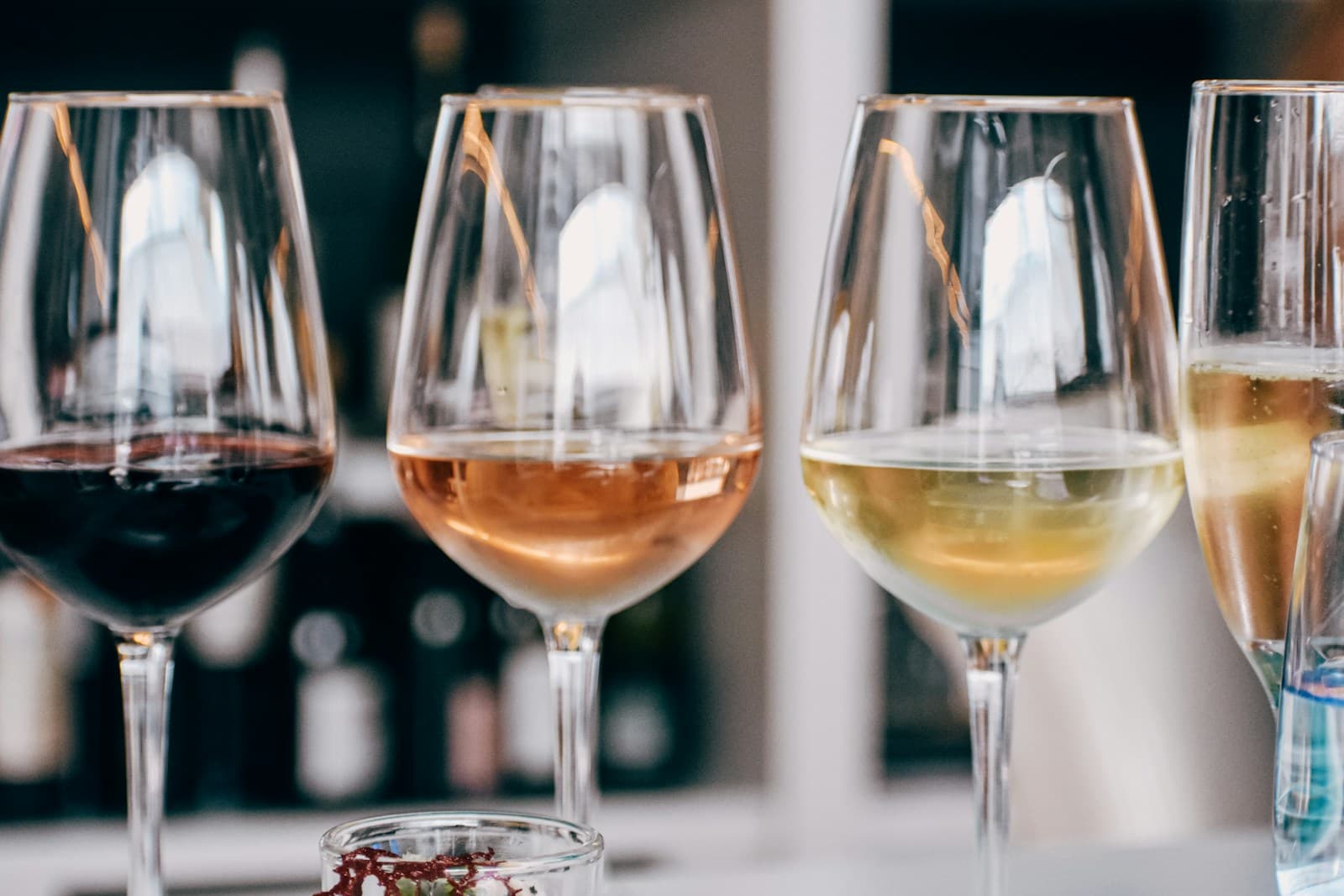
How the room runs
The first pour and guest setup are ready before the host begins.
The tasting has enough structure to create discovery without becoming a lecture.
Food, glassware, leftover wine, and cleanup responsibilities are clear before booking.
The experience
Put two wines side by side and let the conversation start with what is in the glass. This guided theme compares European wines with examples from elsewhere, using matched grapes or styles to give the flight a clear thread. It suits teams and private groups who enjoy discussion, a reveal, and a little friendly debate.
Choose whether the evening should feel playful or educational. A preference vote takes little explanation; a detailed comparison needs a quieter room and more time.
The categories are a starting point for discussion, not a promise that every European wine tastes one way. We build the conversation around the selected bottles.
WineTasting.NYC plans events directly and with hosting partners. Your proposal identifies the event operator, contracting party, scope, and availability before you book.
Updated
For a social group, keep the labels covered until guests have described their preferences. For wine enthusiasts, reveal each pair immediately and discuss the producer and region. For a dinner, one pair between courses can create a shared moment without taking over the evening.
| Approach | Guest experience | Room requirement |
|---|---|---|
| Blind preference vote | Choose a favorite before seeing the label | Space for paired glasses |
| Guided open comparison | Discuss grape, place, and producer | A shared start and audible host |
| Dinner pairing | Compare two wines with one course | Coordination with the kitchen |
The flight should give guests something sensible to compare. Matching the grape is one option; matching general weight, age, or price may also matter. A heavily aged premium bottle beside a young entry-level wine creates several differences at once. That can be interesting, but the host should explain the choice.
Ask for a concise theme statement in the proposal: for example, two expressions of Chardonnay or a pair of contrasting Cabernet-based wines. Bottle names and sourcing are confirmed separately.
Guests can leave with a short list of the wines they preferred and the qualities they liked. That makes the experience useful beyond correctly guessing a country. Request a simple wine list or tasting card if you want something to take home.
To start, send your group size, date, NYC venue status, and whether you prefer a game, discussion, or dinner format. Include the total event budget so wine selection and service can be considered together.
Questions
No. Guests can begin with everyday observations and preferences. The host explains terms as the comparison develops.
No. Request a discussion format if your group would rather compare and ask questions than keep score.
Yes, request that approach and share the menu. The proposed pair should work with the course and the kitchen's timing.