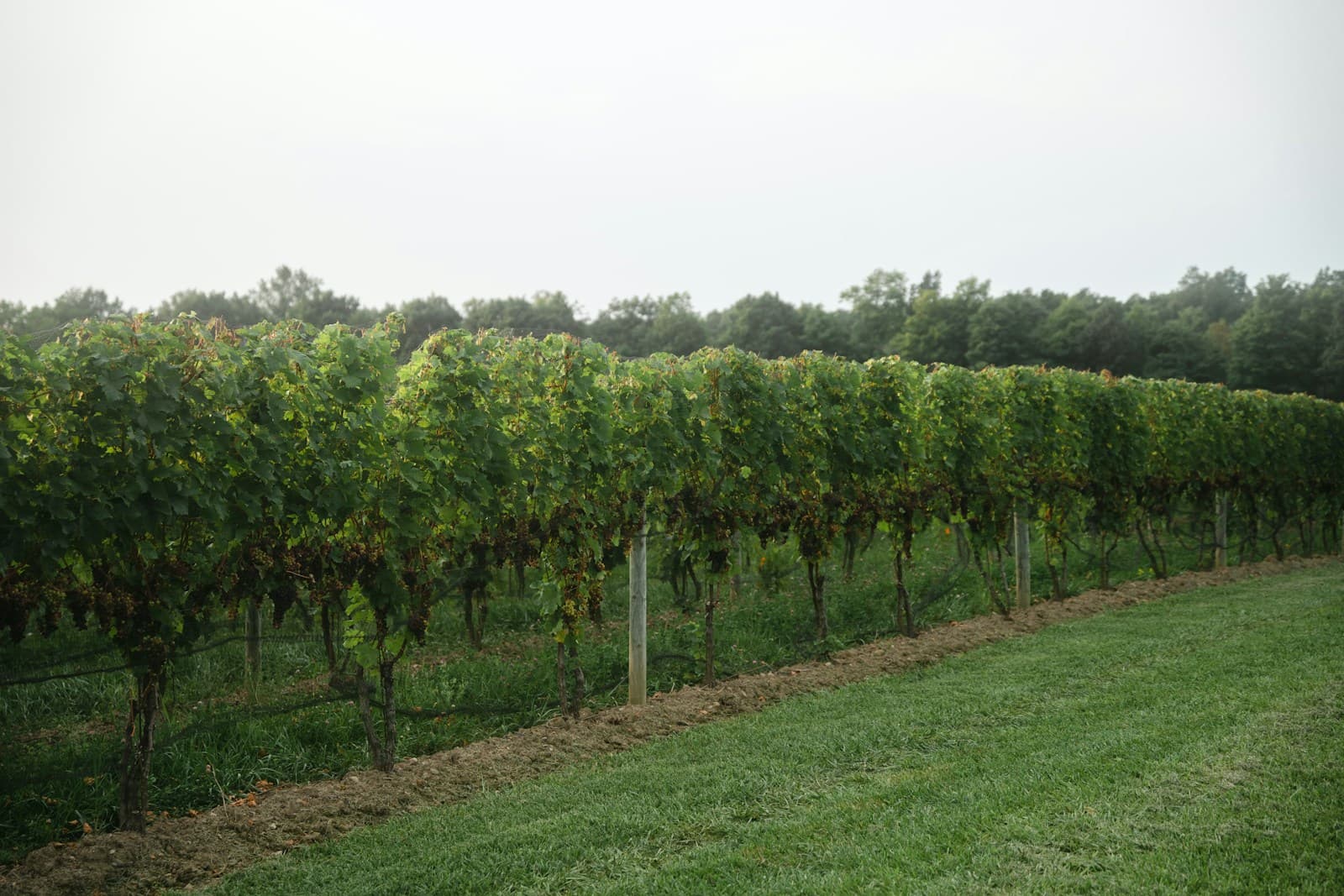
Bring the regional story to the table
A New York wine tasting can introduce guests to the state through its producers while keeping the event in a city home, office, or private room. It is a useful theme for visitors and for New Yorkers who want to explore wines beyond the labels they already know.
The New York Wine & Grape Foundation documents regions including the Finger Lakes, Long Island, Hudson River Region, Lake Erie, and Niagara Escarpment. That breadth is a reason to choose a focused route, not a requirement to represent every region in one evening.
Pick one of three routes through the flight
Decide whether you want an introduction to the state, a closer look at one grape, or a dinner built around local wines. Each route asks a different question and needs a different selection.
| Route | What guests explore | How to keep it focused |
|---|---|---|
| Across New York | Several regions and styles | Give each bottle a distinct role |
| One grape in detail | Differences within a connected group | Check origin, vintage, and sweetness |
| New York at dinner | How the wines work with food | Choose the menu before finalizing the flight |
Use regions as context, then read the bottle
Finger Lakes Riesling is one recognizable starting point. Long Island can offer a different regional conversation, while other New York producers broaden the possibilities. The exact wine matters more than a shorthand claim that an entire region tastes one way.
If local agriculture is central to your event, ask where the grapes were grown. A winery's address alone does not answer that question. Record the appellation and producer details for each proposed bottle, and ask the host to explain any sourcing nuance before the event is described as an all-New York-grown flight.
Build a bottle-selection worksheet
Give every candidate a job: introduce a style, contrast with the previous wine, or connect to the food. Remove bottles that repeat the same idea unless the repetition itself is the point. You can make a clear regional introduction with a modest number of well-explained wines.
The worksheet also helps when availability changes. A substitute should preserve the purpose of the pour, not merely come from somewhere in the state.
- Producer and exact wine name.
- Vintage and bottle size.
- Grape origin or appellation shown on the label.
- The reason this wine belongs in the flight.
- Expected style and any sweetness preference.
- Approved substitute and who makes the final decision.
Give the host a story guests can remember
A small map and a sentence about each producer can be more memorable than a long regional lecture. Invite guests to compare two wines before explaining their origins, then return to the map. This connects the geography with a real sensory experience.
For visiting clients, leave room for the social purpose of the event. A regional theme is a conversation starter; it need not turn a welcome dinner into a classroom. If food is included, distinguish a New York wine flight from an all-locally-sourced menu rather than implying both automatically.
Host the tasting in NYC or plan a separate trip
A city tasting and a winery visit solve different needs. The city format keeps the group together without travel and allows wines from several places to appear at one table. A winery trip adds transport, opening hours, and destination bookings. Decide which experience you are actually organizing before requesting prices.
For a hosted city event, send your date, headcount, location, budget, and regional priorities. Name any must-have producer early, with the understanding that bottles and vintages need confirmation.
Sources and limits
References used for this guide
The notes below explain what each source supports. Provider examples and prices can change; confirm the details for your own event before booking.
- New York Wine & Grape Foundation: grape varietiesPrimary regional and grape reference. The suggested event structure is our own planning framework.
- New York Wine ClassicPrimary evidence of the breadth of New York producers and regions. Awards do not imply our inventory or a winery partnership.