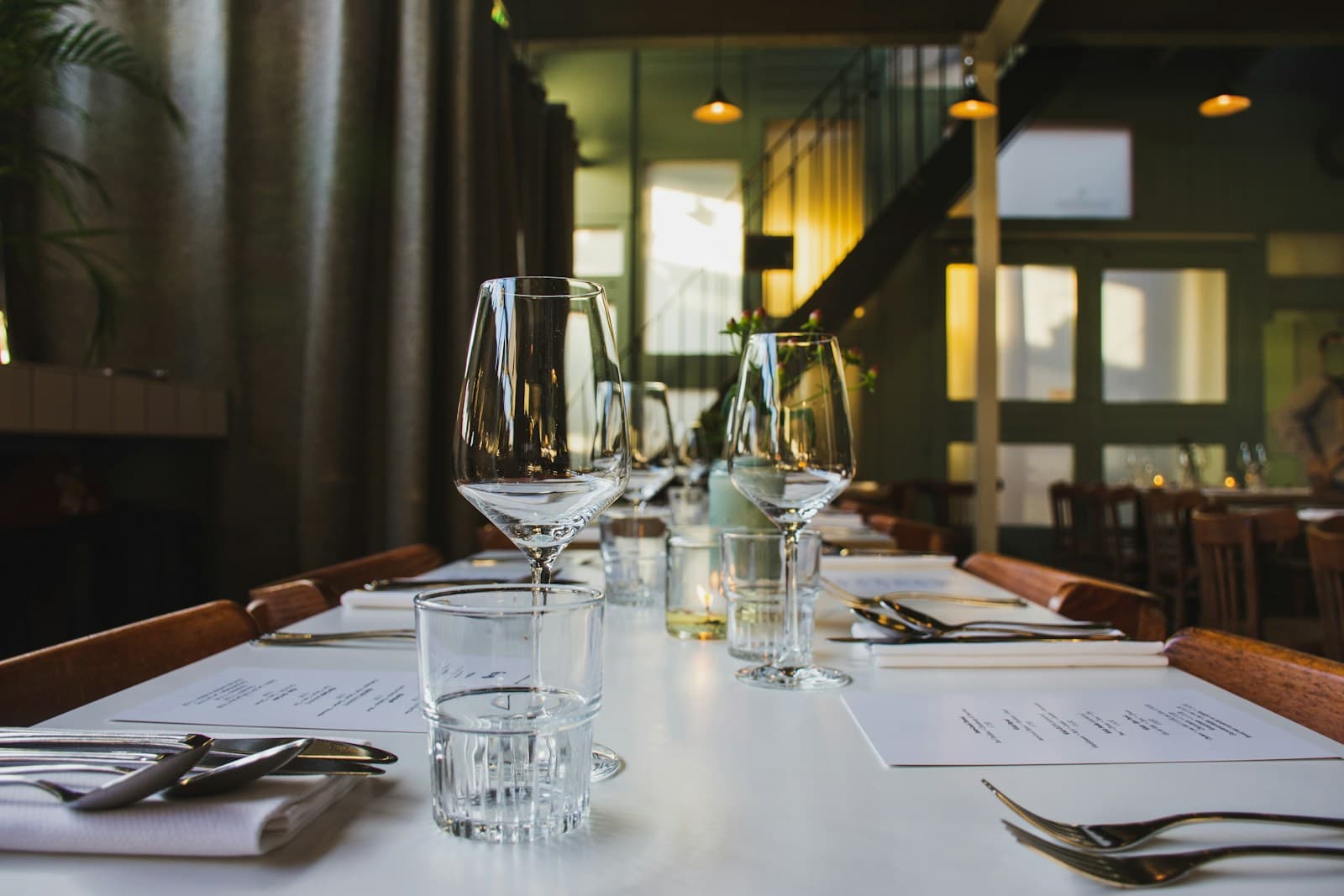
Should the tasting go deeper into one grape or introduce two?
Sauvignon Blanc and Pinot Noir are useful anchors for a New Zealand introduction. Choose the shape of the lesson before the bottles: a white-only comparison gives guests more time to investigate small differences, while a mixed flight accommodates a wider range of preferences. Do not ask guests to rank a white and a red as though they solve the same problem. Give each chapter a question of its own, such as which white suits an opening course or which red the group would return to over dinner.
Make these decisions first
Write down the choices that determine the experience before comparing providers or buying materials. A short, specific brief makes it easier to see whether a proposal actually matches what your group needs.
- Choose a white-only or two-chapter flight.
- Identify the region on every bottle instead of relying on the country label.
- Plan a glass change or clear reset between white and red chapters.
Build a flight with a purpose for every position
This worksheet is an illustrative planning tool. Adapt the sequence with your host and venue; it is not a confirmed program or a promise of particular inventory.
| Stage | What to arrange | Why it matters |
|---|---|---|
| White reference | A selected Sauvignon Blanc | Describe aroma in everyday words |
| White contrast | Another deliberate expression | Compare freshness and texture |
| Optional red chapter | Selected Pinot Noir | Explore a new question |
| Preference notes | One choice from each chapter | Match each to a meal |
Plan the room as carefully as the theme
Keep white-wine storage and serving logistics visible in the event plan. A large group needs a way to maintain consistent conditions from the first pour to the last. At a home, check refrigerator space; at a venue, agree who chills and stages the bottles. If a red chapter follows, avoid clearing the whole table while the host is still discussing the final white. That transition is part of the run of show.
The planning mistake to avoid
The main trap is allowing a famous regional reputation to dictate what guests are supposed to smell. Invite observations first, then introduce the producer's notes as context. An aroma that one guest notices may not be meaningful to another. Encourage comparison of texture and preference as well as aromatic detail so everyone can take part.
Give the evening a useful finish
Leave with a two-line preference card: the white style you would order again and the red style you would choose for dinner. Include producer and region so the notes remain useful after the event.
Turn your notes into an NYC event brief
Send the date, guest range, neighborhood or venue, and spending allowance together. Identify what you already have and what needs arranging: host, wine, food, glassware, equipment, or space. Ask the provider to separate those responsibilities and to explain any proposed substitutions before you approve the event.
Keep the approved scope and your final schedule in one place. If the headcount, venue, or activity changes, have the operator confirm how that affects preparation and cost. A clear handoff gives the host time to focus on guests rather than resolve unanswered planning questions at the door.
Quick answers
Wine tasting planning FAQ
Can this tasting focus only on Sauvignon Blanc?
Yes. A focused comparison is a useful alternative to a broad national overview. Share the group's experience level and whether you want food included.
Is this a fixed event package?
No. The worksheet is a planning example. A private event requires a confirmed date, scope, operator, and proposal.
Sources and limits
References used for this guide
The notes below explain what each source supports. Provider examples and prices can change; confirm the details for your own event before booking.
- New Zealand Wine: vineyard reportsReference for the regional or format context discussed above. The flight worksheet and event-planning recommendations are our editorial suggestions, not an official program or a claim of partnership.