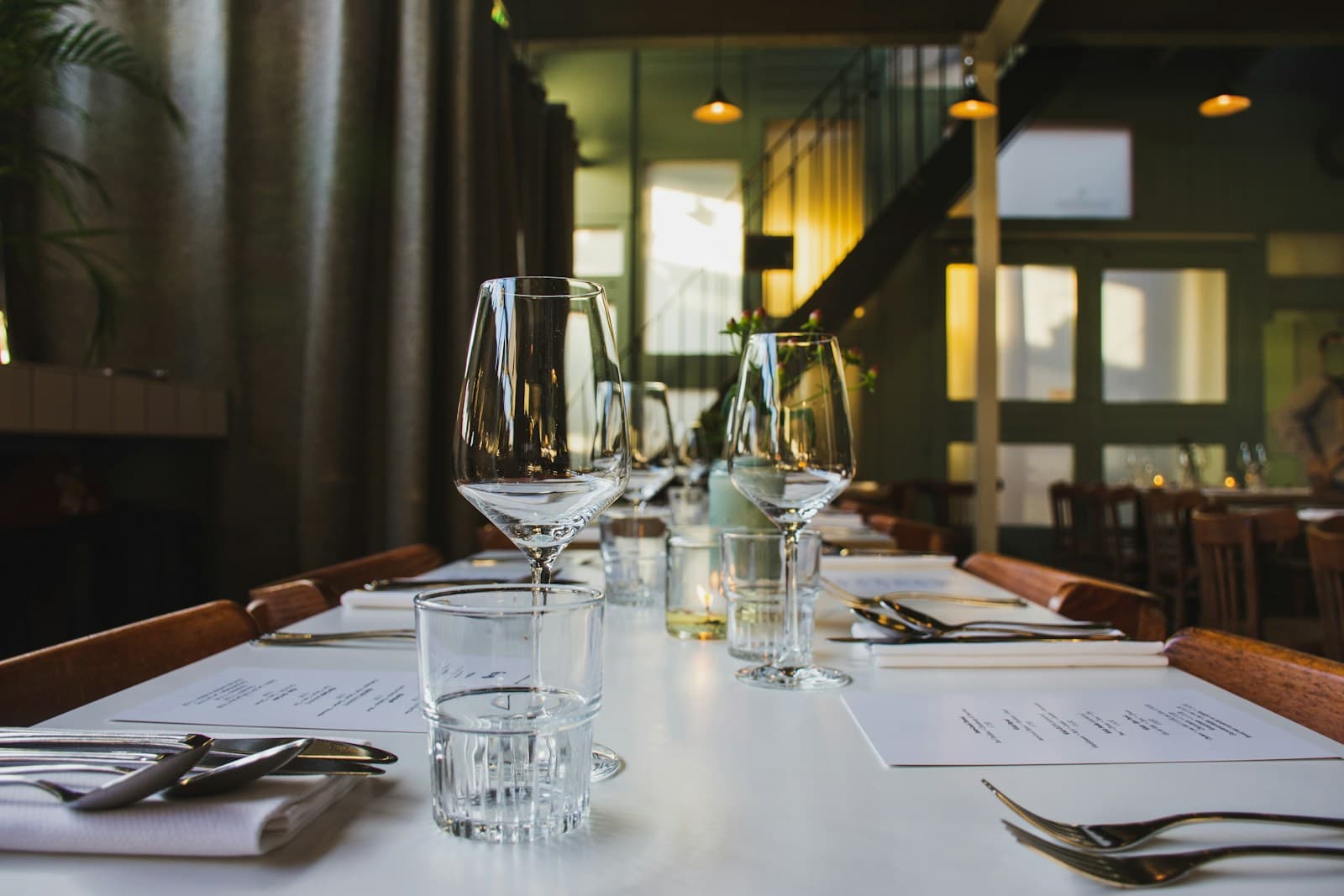
What makes a regional comparison useful rather than predictable?
Start with two Sauvignon Blanc wines that have a reason to share a table. They might come from different origins, or offer contrasting producer approaches within a region. Ask the host to record the vintage and available production details so the comparison is transparent. New Zealand's wine body provides background on its Sauvignon Blanc, but no country has a single flavor profile. Invite guests to notice differences before showing regional descriptions. The objective is to expand their vocabulary for preference, not train them to guess a passport from one aroma.
Make these decisions first
Write down the choices that determine the experience before comparing providers or buying materials. A short, specific brief makes it easier to see whether a proposal actually matches what your group needs.
- Choose two or three clear contrasts rather than a long sequence.
- Keep temperatures comparable at the first pour.
- Decide whether labels are visible or revealed after initial notes.
Build a flight with a purpose for every position
This worksheet is an illustrative planning tool. Adapt the sequence with your host and venue; it is not a confirmed program or a promise of particular inventory.
| Stage | What to arrange | Why it matters |
|---|---|---|
| Observe | Numbered glasses | Which seems more aromatic? |
| Compare | A small taste of each | How does the texture differ? |
| Reveal | Origin and producer details | Which assumptions changed? |
| Pair | One agreed food | Which wine suits the bite? |
Plan the room as carefully as the theme
White-wine service needs a staging plan, especially at a rooftop or office event. Confirm refrigeration, cooling containers, and the time between setup and pouring. Keep the bottles away from direct sun and make sure the last guests receive a comparable experience to the first. If the room is warm, smaller sequential pours may be more useful than placing a full flight out long before the session begins.
The planning mistake to avoid
Do not require every guest to identify the same aromatic descriptor. A guest can meaningfully compare sharpness, weight, or preference without recognizing a particular fruit or herb. Also avoid presenting a two-bottle result as proof of a national style. The host should identify the limits of the exercise and welcome observations that do not match the expected script.
Give the evening a useful finish
Finish with a short ordering phrase: a preferred level of freshness, a texture preference, and the meal the guest has in mind. Attach the labels so the description has a concrete reference later.
Turn your notes into an NYC event brief
Send the date, guest range, neighborhood or venue, and spending allowance together. Identify what you already have and what needs arranging: host, wine, food, glassware, equipment, or space. Ask the provider to separate those responsibilities and to explain any proposed substitutions before you approve the event.
Keep the approved scope and your final schedule in one place. If the headcount, venue, or activity changes, have the operator confirm how that affects preparation and cost. A clear handoff gives the host time to focus on guests rather than resolve unanswered planning questions at the door.
Quick answers
Wine tasting planning FAQ
Is a Sauvignon Blanc tasting suitable for an outdoor event?
It can be, subject to the venue's rules and a workable cooling, water, glassware, and weather plan. Confirm those details before approving the flight.
Is this a fixed event package?
No. The worksheet is a planning example. A private event requires a confirmed date, scope, operator, and proposal.
Sources and limits
References used for this guide
The notes below explain what each source supports. Provider examples and prices can change; confirm the details for your own event before booking.
- New Zealand Wine: Sauvignon BlancReference for the regional or format context discussed above. The flight worksheet and event-planning recommendations are our editorial suggestions, not an official program or a claim of partnership.