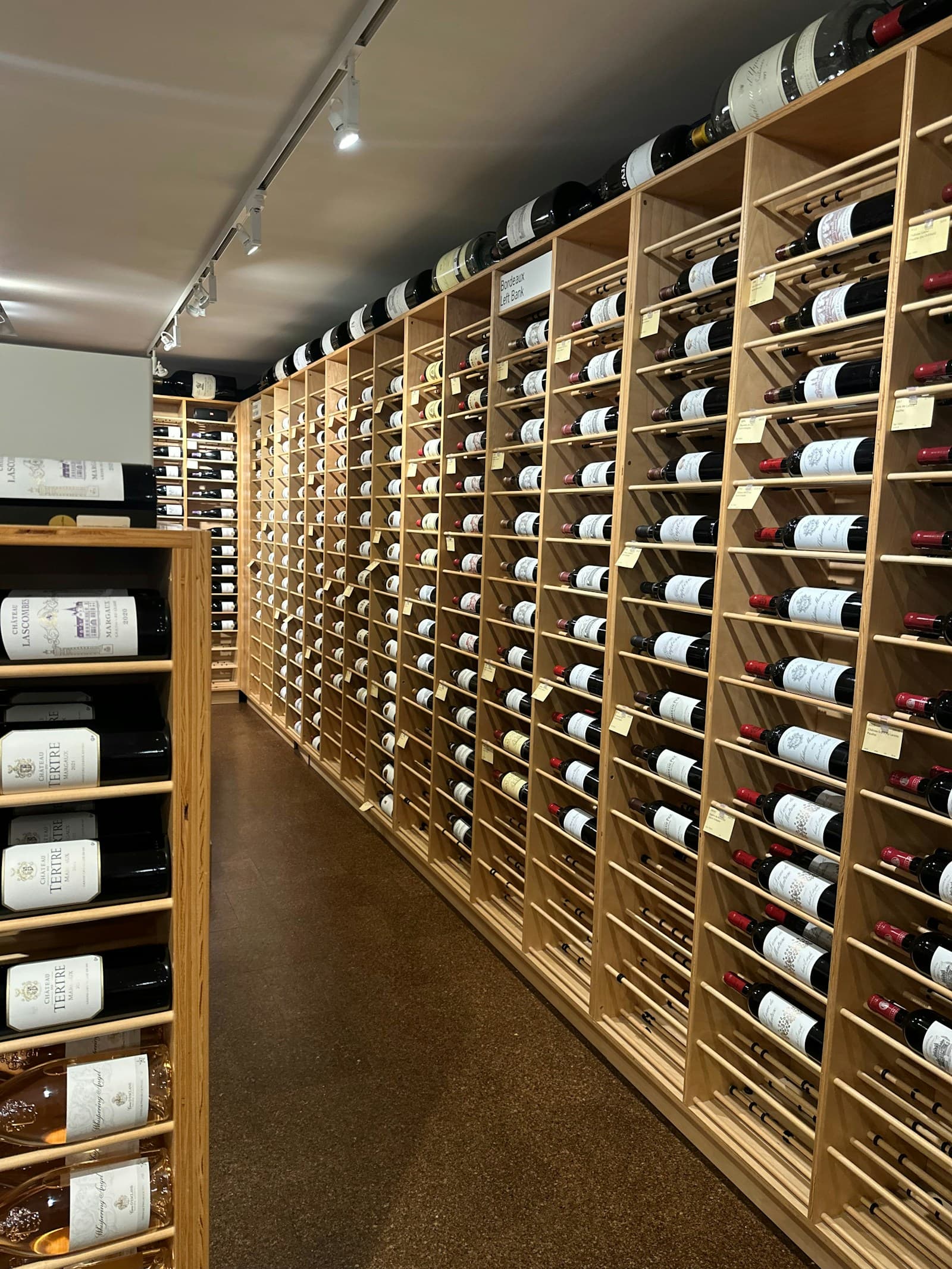
Define what you are actually comparing
Napa versus Bordeaux is an appealing dinner theme, but it needs a more precise brief than two place names. Decide whether the evening focuses on Cabernet Sauvignon, selected red blends, or simply guest preferences. Napa Valley Vintners provides Cabernet background, while Bordeaux's wine council explains the importance of blending in its wines.
Ask for the blend information for the actual bottles when it is available. Do not describe a Bordeaux blend as pure Cabernet or assume every Napa wine has the same composition. The comparison remains interesting when its differences are acknowledged.
Control what you reasonably can
You do not need a laboratory setup, but a few decisions make discussion more useful. Keep glassware and pours comparable, note vintage differences, and give each wine similar attention. If one bottle is much older or more expensive, record that context before drawing conclusions.
| Variable | Decision | Interpretation limit |
|---|---|---|
| Grape composition | Record verified blend details | The comparison may not isolate Cabernet |
| Vintage and maturity | Choose similar ages or explain the gap | Age can influence the experience |
| Budget | Compare within a planned range | Price does not dictate personal preference |
| Service | Use comparable glasses and pours | Handling can affect the comparison |
Calculate bottles for the agreed pour
Quantities should come from the number of participants and the measured pour size, not the number of wine names on the invitation. For illustration, 12 guests receiving 50 mL of one wine require 600 mL before allowance for checking, spillage, or any additional service. That calculation is not a promise that one bottle is sufficient in every circumstance.
Have the operator confirm the complete bottle plan, including reserves where appropriate. If a special bottle cannot be replaced, agree what happens if it is not in suitable condition. Keep that decision separate from the hospitality budget for staff, food, venue, and rentals.
Match the flight to dinner rather than interrupting it
If the meal is the main occasion, schedule short introductions between service moments. If the comparison is the main event, reserve uninterrupted time before a substantial course arrives. Give the kitchen and wine host one shared timeline and nominate the person who can approve an adjustment on the day.
Share the actual menu rather than requesting a generic red-wine pairing. A host can discuss the selected bottles in context, and guests can revisit their first impressions after food arrives. Leave room for disagreement: a successful tasting does not require a unanimous winner.
Reveal the labels after guests record a preference
A simple reveal can reduce the influence of prestige without turning the evening into a competition. Ask each person which wine they would choose with the meal and why. Then show the producer, region, vintage, and available blend details. Use the reveal to open a conversation rather than score correct guesses.
When requesting an NYC tasting, send the guest count, location, date, wine interests, and event budget. State whether you own any bottles and whether the comparison belongs before dinner or across the courses.
Make this your next gathering
Use the guide to shape your own event or request a hosted experience. Share your date, guest count, NYC location, and budget; the final proposal confirms availability, the event operator, and the service responsibilities.
Quick answers
Wine tasting planning FAQ
Which region should win?
There is no predetermined winner. The goal is to understand the selected wines and the group's preferences, not make a universal claim about two regions.
Do the wines need equal prices?
Not exactly. A reasonably comparable range can help, but any substantial difference should be acknowledged when interpreting the results.
Sources and limits
References used for this guide
The notes below explain what each source supports. Provider examples and prices can change; confirm the details for your own event before booking.
- Napa Valley Vintners: Cabernet SauvignonBackground on Cabernet in Napa Valley; not a claim about every producer or vintage.
- Bordeaux Wine Council: grape varietiesSupports the role of blending. The comparison worksheet and quantity example are our own planning material.