Arrival
The first pour and guest setup are ready before the host begins.
More to pink than meets the eye
Plan a private rosé wine tasting in NYC. Explore contrasting styles with a host, thoughtful food options, and indoor or outdoor service planning.
How the room runs
The first pour and guest setup are ready before the host begins.
The tasting has enough structure to create discovery without becoming a lecture.
Food, glassware, leftover wine, and cleanup responsibilities are clear before booking.
The experience
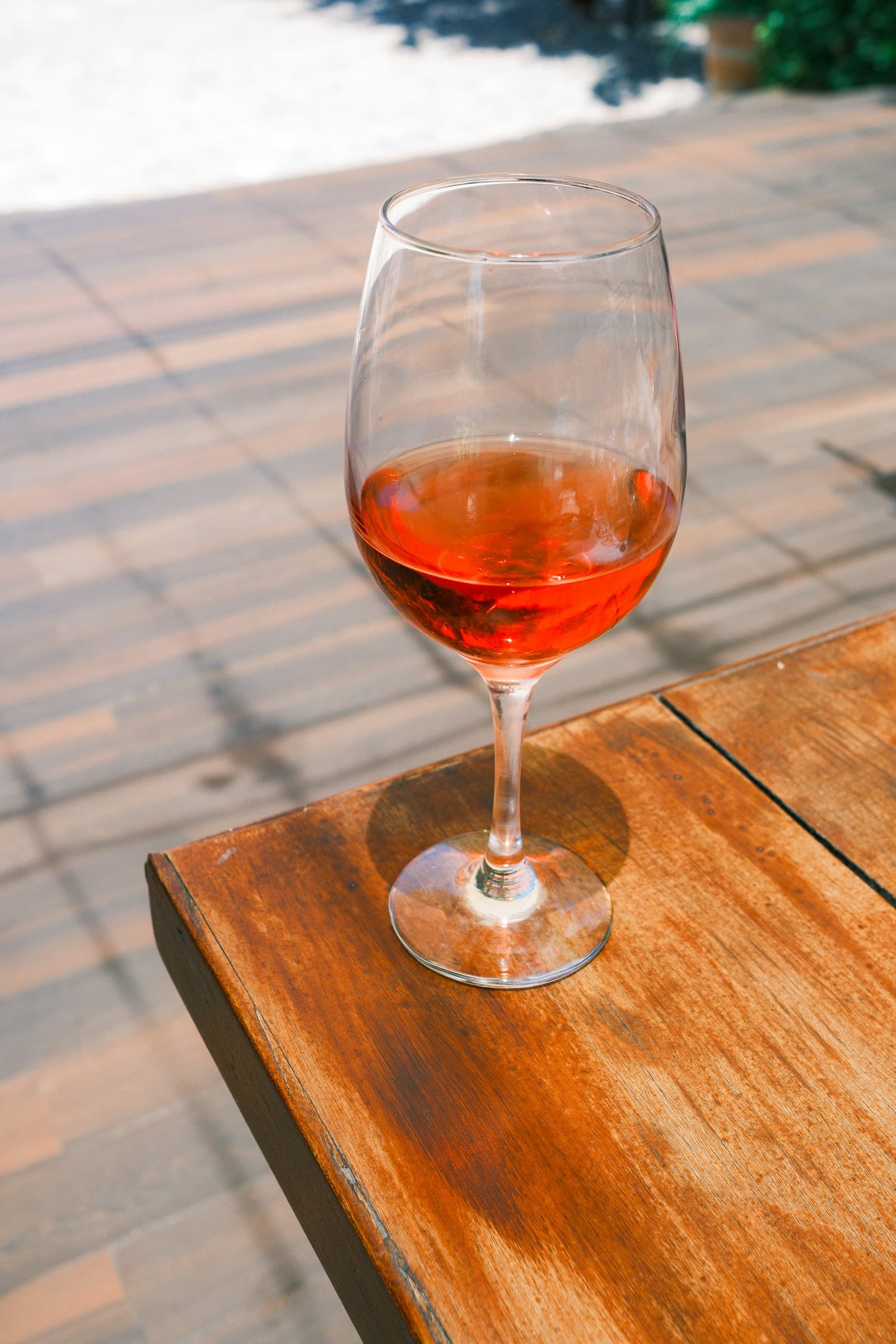
Make rosé the subject of the evening, with a flight that explores more than color. Guests can compare freshness, texture, sweetness, and food preferences in a relaxed hosted format. Request a seated tasting, a celebration with short guided moments, or a rosé-focused reception at your chosen NYC location.
If your group wants dry rosé, say so explicitly. Color alone is not a reliable guide to sweetness, so the host should select bottles around the actual preference.
For a terrace or rooftop, plan shade, stable glassware placement, cold storage, and a weather decision before the day arrives.
WineTasting.NYC plans events directly and with hosting partners. Your proposal identifies the event operator, contracting party, scope, and availability before you book.
Updated
A thoughtful rosé flight can compare a lighter style with a more textured example, then introduce a sparkling wine if it fits the brief. Another approach is to compare still wines from different regions. The host should explain why the wines belong together and what guests can look for.
The experience can stay informal. Ask guests which wine they would choose for a picnic, a meal, or an evening with friends; those questions give the comparison a practical point.
The same theme needs different service in a seated room and a standing reception. Decide which matters most: sustained comparison or easy conversation.
| Format | Strength | Prepare for |
|---|---|---|
| Seated tasting | Revisit wines side by side | Labeled glasses and a shared start |
| Lunch pairing | Explore texture with food | Coordination with each course |
| Terrace reception | Relaxed arrivals and conversation | Temperature control and indoor backup |
A rosé theme can work beyond warm-weather parties. An indoor dinner lets guests explore how different wines feel with food, while a seasonal reception can focus on a shorter flight. Either way, cold storage and serving responsibilities should be explicit.
Send your date, group size, room, food plans, and total budget. Mention non-drinking participation and dietary needs so the proposed experience can account for the whole group.
Questions
Request an all-dry flight. The selected bottles should be confirmed by style, rather than assuming pale color means dry.
Ask for that option and a separate price if appropriate. Champagne sourcing and the total event scope determine availability.
No. It can also work as a food-focused indoor tasting or a year-round exploration of different styles.