Arrival
The first pour and guest setup are ready before the host begins.
Give curiosity another date
Plan a private wine tasting series in NYC for a team, community, or wine club. Build a sequence of themes with clear dates, budgets, and learning goals.
How the room runs
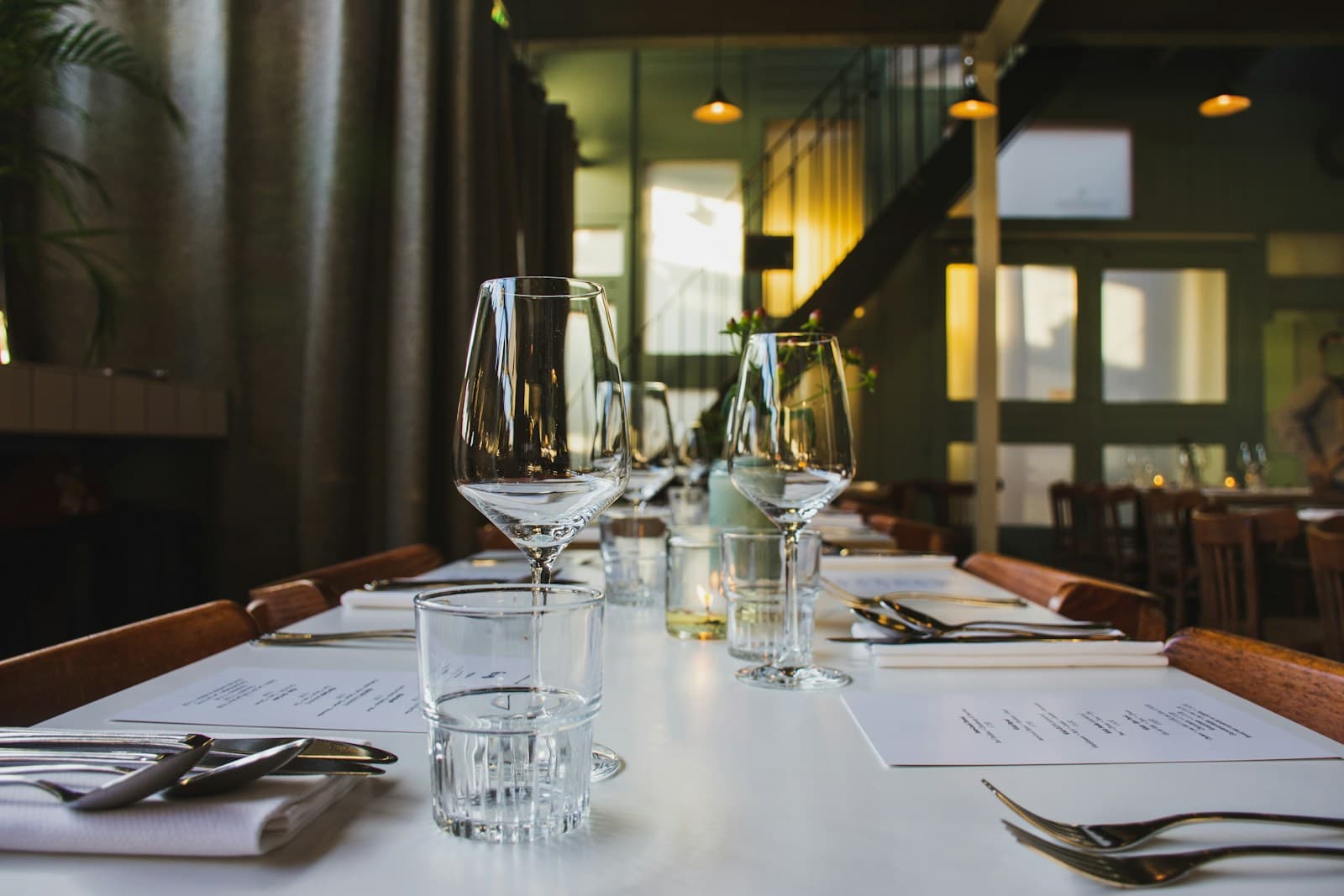
The first pour and guest setup are ready before the host begins.
The tasting has enough structure to create discovery without becoming a lecture.
Food, glassware, leftover wine, and cleanup responsibilities are clear before booking.
The experience
Turn a single wine evening into a thoughtful sequence. A private tasting series lets the same group revisit ideas, explore new regions, and develop preferences over time. Request several hosted sessions for a team, residential community, or group of friends, with each date scoped around a clear theme and a manageable commitment.
Start with a finite series rather than an indefinite subscription. Three or four dates can establish whether the group enjoys the format and can attend consistently.
Decide whether each session stands alone. If attendance changes, newcomers need enough context to participate without a catch-up lecture.
WineTasting.NYC plans events directly and with hosting partners. Your proposal identifies the event operator, contracting party, scope, and availability before you book.
Updated
A useful series builds connections. Guests might begin by describing preferences, then compare two regions, and finally revisit those ideas with food. Repeating a simple tasting question helps the group notice how its vocabulary and confidence develop.
The event should remain enjoyable for people who want a social evening. A private series is not automatically a certification course, and formal qualifications are not included in this offer.
A consistent host and room can make planning easier. Rotating themes can keep the experience fresh. Your proposal should state which elements stay fixed and which may change.
| Series goal | Possible sequence | Planning priority |
|---|---|---|
| Build confidence | Preferences, comparisons, food pairing | A clear progression |
| Explore regions | New York, Spain, then a comparative flight | Enough variety within the budget |
| Create a social tradition | Seasonal themes with repeatable timing | Attendance and a familiar room setup |
Ask for a per-session price and total commitment, including what happens if headcount changes or a date moves. Confirm when wine selections become final and whether a substitute host is possible. An annual idea is not a confirmed calendar until dates and terms are agreed.
Send the group size, preferred cadence, venue, experience level, and budget per session. Mention whether this is an invitation-only social group, a workplace program, or a resident event so the series can be designed for the people attending.
Questions
No. This is a request for a series of hosted events. Bottle delivery or take-home wine must be separately scoped if available.
Request continuity. Availability and a substitute-host plan should be confirmed before committing to the dates.
No, if the series is designed as standalone sessions. A progressive course benefits from consistent attendance; choose the approach in advance.