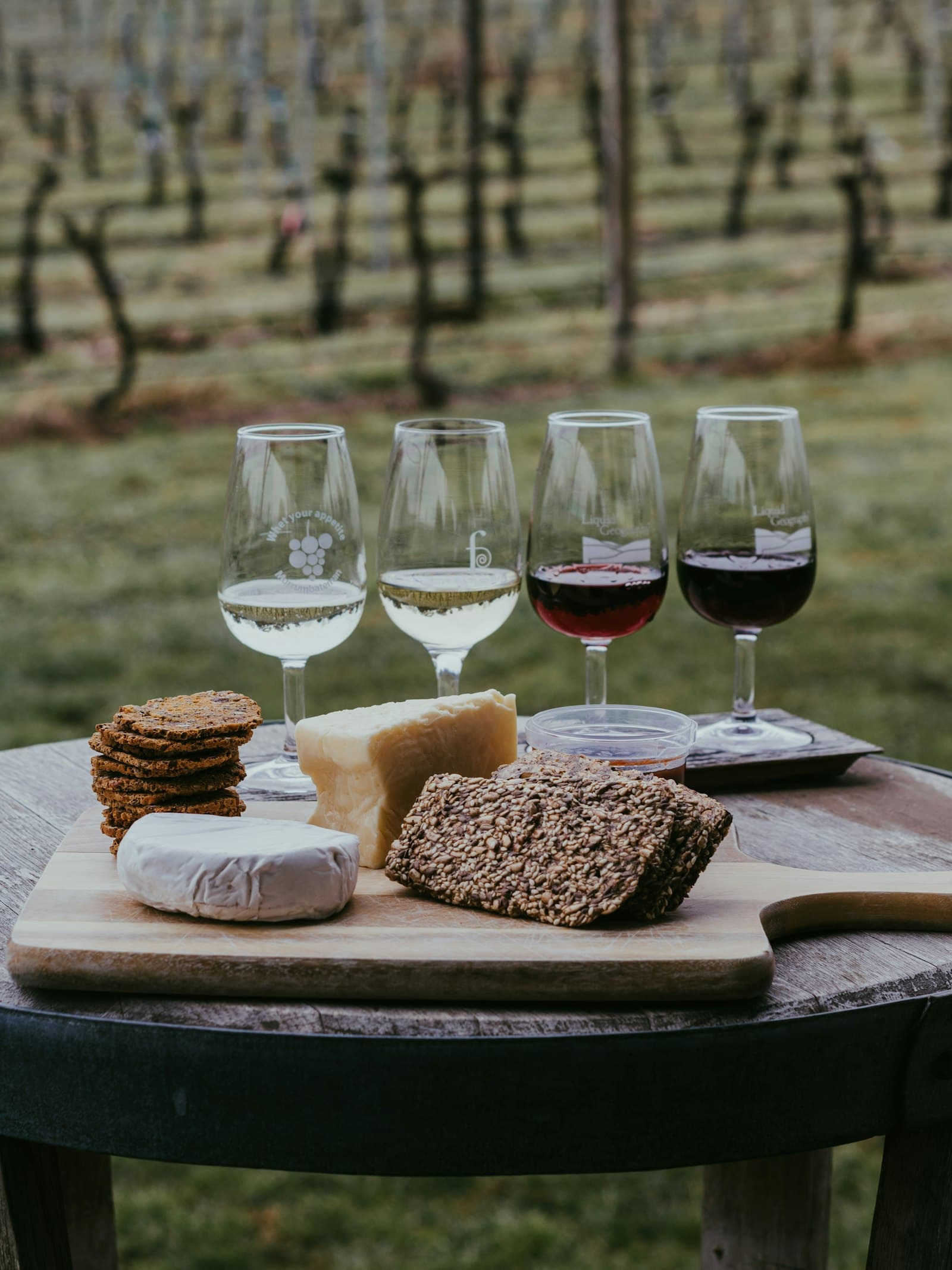
Start with the format, then select the pairings
A successful wine-and-chocolate party needs a clear sequence: guests know what they are tasting, which items belong together, and when to move on. Choose whether everyone will taste at once, visit a station, or finish a meal with a short pairing. Then ask the host to design the flight around that format.
NYC provider Chocolate Noise offers both guided group tastings and reception-style wine-and-chocolate stations. That illustrates two different service models, not a requirement to copy a fixed menu. Your own products, guest count, and room should determine the final plan.
Pick the service model that fits your guests
A seated flight makes comparison and discussion easy because guests move together. A station gives people freedom to arrive at different times, but needs repeated explanations and replenishment. A dessert pairing works best when the dinner host and tasting host agree on timing.
| Your event | Starting format | Main planning task |
|---|---|---|
| Birthday dinner | Short after-dinner pairing | Coordinate with dessert and clear table space |
| Team activity | Seated guided comparison | Arrange a common start time and visible tasting order |
| Client reception | Hosted pairing station | Plan staffing, labels, and replenishment |
| Anniversary gathering | Small private flight | Choose a personal theme and allow conversation |
Use a repeatable tasting sequence
For each pairing, introduce the items, taste them separately, then taste them together. Invite guests to describe what they prefer or notice rather than guessing a correct answer. Keep labels or a simple printed map on the table so nobody has to remember the whole flight.
The host should trial the actual wine and chocolate combinations before the event. A chocolate's filling, sweetness, texture, and flavoring can change the experience; the percentage on the wrapper is not enough to design the entire menu. Avoid promising that every red wine matches every dark chocolate.
- Number the wines and chocolates in the intended order.
- Provide water and a place to set down glasses safely.
- Offer a clear way to skip wine or a particular food.
- Leave time for questions between comparisons rather than pouring everything at once.
A sample 60-minute agenda
Use the following as a planning example, not a fixed package. A different number of pairings, room layout, or larger group can require a different schedule.
| Time | Activity | Host check |
|---|---|---|
| 0–10 minutes | Welcome, dietary reminders, and flight orientation | Everyone knows the order and participation options |
| 10–25 minutes | First comparison and discussion | Serve the agreed tasting quantities |
| 25–40 minutes | Second comparison | Keep labels, water, and clearing organized |
| 40–50 minutes | Revisit preferences and questions | Allow guests to compare their own impressions |
| 50–60 minutes | Wrap-up and next part of the gathering | Confirm room reset and remaining food or wine |
Settle the food and room details early
Collect dietary restrictions before ordering products. Keep original packaging or ingredient information accessible. Confirm with the maker and operator whether substitutions and handling arrangements can accommodate the group's requirements; do not label an event allergen-free without that confirmation.
Chocolate should be held and served under the maker's recommended conditions. In a sunny room or rooftop setting, plan protected storage and a suitable serving area. At an office, agree on delivery access, table setup, water, and cleanup with the building contact.
For guests who do not drink, ask the operator about chocolate-only participation or a separately planned alternative pairing. Include those counts in the brief so supplies and service are ready.
Send a brief that gets you a comparable quote
Include guest count, occasion, location, date or date window, dietary requirements, preferred format, and whether you want food beyond the chocolate. Specify any wine or chocolates you plan to supply yourself.
Ask the quote to identify the host, wine and chocolate quantities, glassware, tasting materials, staffing, setup, cleanup, and total charges. If a partner will deliver the event, confirm who handles the booking and changes. The tasting should fit the celebration, without leaving the private host to discover missing supplies on the day.
Quick answers
Wine tasting planning FAQ
Should the chocolate be served before or after dinner?
Either can be planned, but agree on its role. A focused tasting needs attention and table space; an after-dinner pairing should coordinate with dessert rather than compete with it.
How many pairings do we need?
There is no required number. Ask the host to match the flight to the time, guest experience, and food plan. A shorter, well-explained comparison can work better than a rushed menu.
Can I use supermarket chocolate?
You can discuss any products with the host. The important decisions are ingredients, portion sizes, the actual pairing, and whether the products suit your guests' needs.
Sources and limits
References used for this guide
The notes below explain what each source supports. Provider examples and prices can change; confirm the details for your own event before booking.
- Chocolate Noise: private NYC tasting formatsPrimary provider example of guided group and reception-style formats, checked September 12, 2026. The agenda and worksheets above are our planning examples.