Private, proposal-led events

Champagne tasting in NYC, built around your guest list.

Plan a sommelier-led Champagne or sparkling-wine tasting for a private celebration, client event, launch, or company gathering—at your office, home, or chosen NYC venue when its rules allow.

Six essential answers start the proposal. No payment, final date, or venue commitment is required.

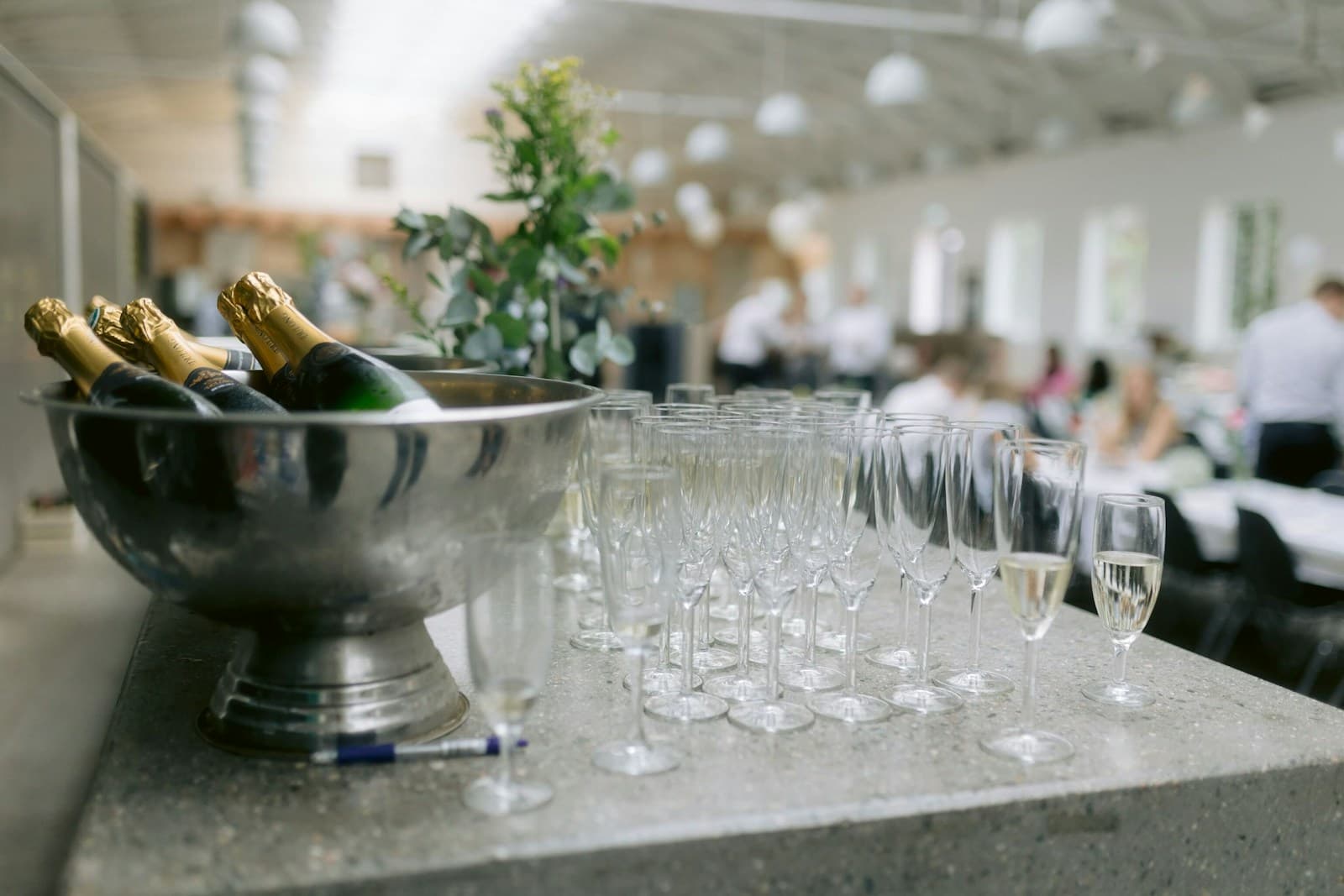
Champagne glasses arranged for private event service
The bottle direction follows the occasion, format, room, guest count, and working budget—not a fixed online package.

The service model

A private tasting brought into your event plan.

Search results for “Champagne tasting NYC” mix public classes, restaurant reservations, venue buyouts, and sightseeing experiences. This is different: the starting point is one private guest list and a proposal for a hosted tasting at the location you identify.

The service is not public-ticket inventory and does not automatically include a venue, unlimited bar package, bottle list, or fixed per-person price. Those choices are scoped only after the room, audience, timing, and budget are clear.

Event outcomes

Make the toast feel hosted, not improvised.

For private hosts

Give the celebration a clear shared moment.

A guided flight can anchor a birthday, anniversary, dinner, bridal gathering, or social event without turning the room into a formal classroom.

  • Shape the tasting around the occasion and guest experience
  • Choose a social pace that leaves room for food and conversation
  • Set expectations for home, apartment, or private-room logistics
For corporate planners

Add polish without taking over the agenda.

A welcome pour, concise mini-flight, or reception format can support client hospitality, a launch, leadership gathering, or year-end event.

  • Protect the business conversation with a focused hosted window
  • Surface vendor onboarding, COI, access, and closeout needs early
  • Keep corporate and client-event scope separate from social-party planning

Format options

Choose the room flow before the bottles.

These are planning directions, not fixed packages or availability promises. The proposal should select one and name every operational assumption.

01

Champagne-focused flight

A guided comparison within Champagne, shaped around the group’s interests, the occasion, and the bottle budget available when the proposal is prepared.

Best fit: Private dinners, milestone celebrations, client rooms
02

Champagne and sparkling comparison

A broader flight can place Champagne alongside other sparkling-wine styles when contrast, accessibility, or budget flexibility matters.

Best fit: Mixed-experience groups, classes, team events
03

Welcome pour and mini-flight

A celebratory arrival pour followed by a concise guided segment keeps attention on the launch, toast, dinner, or business conversation.

Best fit: Receptions, launches, client appreciation
04

Reception tasting station

A station format can be considered when guests arrive in waves or a seated class would interrupt the room’s social flow.

Best fit: Larger gatherings and open-house formats

Low-friction first step

Start with the date window, guest count, room, and budget.

The Champagne tasting option is preselected, and the original landing page stays attached to the request for attribution.

Open the six-answer intake

Planning process

From idea to proposal-ready scope.

01

Share the event shape

Send the guest count, audience, date window, location, venue status, and working budget. A final venue or exact date is not required to start.

02

Choose the service model

The proposal separates a seated flight, mini-flight, welcome-pour format, or reception station before bottles are selected.

03

Resolve the room

Access, chilling, glassware, water, food, staffing, outside-alcohol rules, insurance, and cleanup assumptions are named before booking.

04

Confirm the scope

The final proposal records what is included, what the host or venue supplies, open dependencies, and the planned handoff after the event.

NYC logistics

Plan the building as carefully as the flight.

Offices, apartments, residential lounges, rooftops, private rooms, and event venues create different access and service constraints. The proposal should make the following visible.

  • Security desk, guest list, vendor check-in, freight elevator, and load-in window
  • Chilling and refrigeration, water, service surfaces, glassware, and waste handling
  • Seated versus standing flow, sound level, accessibility, and the guided-service window
  • Food source, dietary notes, zero-proof participation, and safe service expectations
  • Outside-alcohol policy, licensed or permitted partner needs, COI, W-9, and venue approvals
  • Leftover bottles, rentals, trash, cleanup, and the final room handoff
See how mobile tastings work at your chosen location

Questions

What hosts and planners need to know.

Is this a public Champagne class or ticketed event?

No. This page is for privately hosted events built around one guest list. Public tickets and standing class schedules are not offered here.

Does the tasting have to include only Champagne?

No. The proposal can compare Champagne with other sparkling-wine styles when that better fits the learning goal, occasion, or budget.

Is a venue included?

Not automatically. The tasting can be scoped for an office, home, apartment amenity space, private room, or chosen venue when that location permits the service model. Venue sourcing or rental assumptions must be stated separately.

Can this work for both private and corporate groups?

Yes, but the paths stay distinct. Private celebrations use a warmer social pace, while corporate and client events prioritize arrival flow, concise hosting, vendor requirements, and room handoff.

Can food pairings be included?

Pairing options can be scoped. The proposal should identify whether food comes through the tasting plan, the venue, a caterer, or the host, along with dietary and service restrictions.

How many guests can attend?

There is no truthful one-size-fits-all capacity. Group size depends on the room, seated or reception format, staffing, glassware, service window, and venue rules.

How is pricing determined?

Pricing depends on bottle direction and availability, guest count, format, staffing, glassware, food, venue requirements, delivery, setup, and cleanup. Share a working budget so the proposal can name its assumptions instead of inventing a package price.

Can non-drinking guests be included?

Yes. Ask for zero-proof participation in the intake so the proposal can account for inclusive service, water, and the guest experience without assuming everyone will drink alcohol.
Request a tailored proposal

Tell us what the toast needs to accomplish.

Share the guest count, audience, date window, working budget, and what you know about the room. The next step is a scoped proposal—not a checkout page.

Request a Champagne tasting proposalPrefer email? support@winetasting.nyc