Ask a questionRequest proposal

The tasting comes to you

Mobile wine tasting in NYC, planned for your room.

Bring a sommelier-led wine tasting to your office, home, residential lounge, rooftop, private room, or chosen venue—with the format, service, access, and closeout scoped before booking.

The mobile format is preselected. No payment, final date, or venue commitment is required to begin.

Planning details updated .

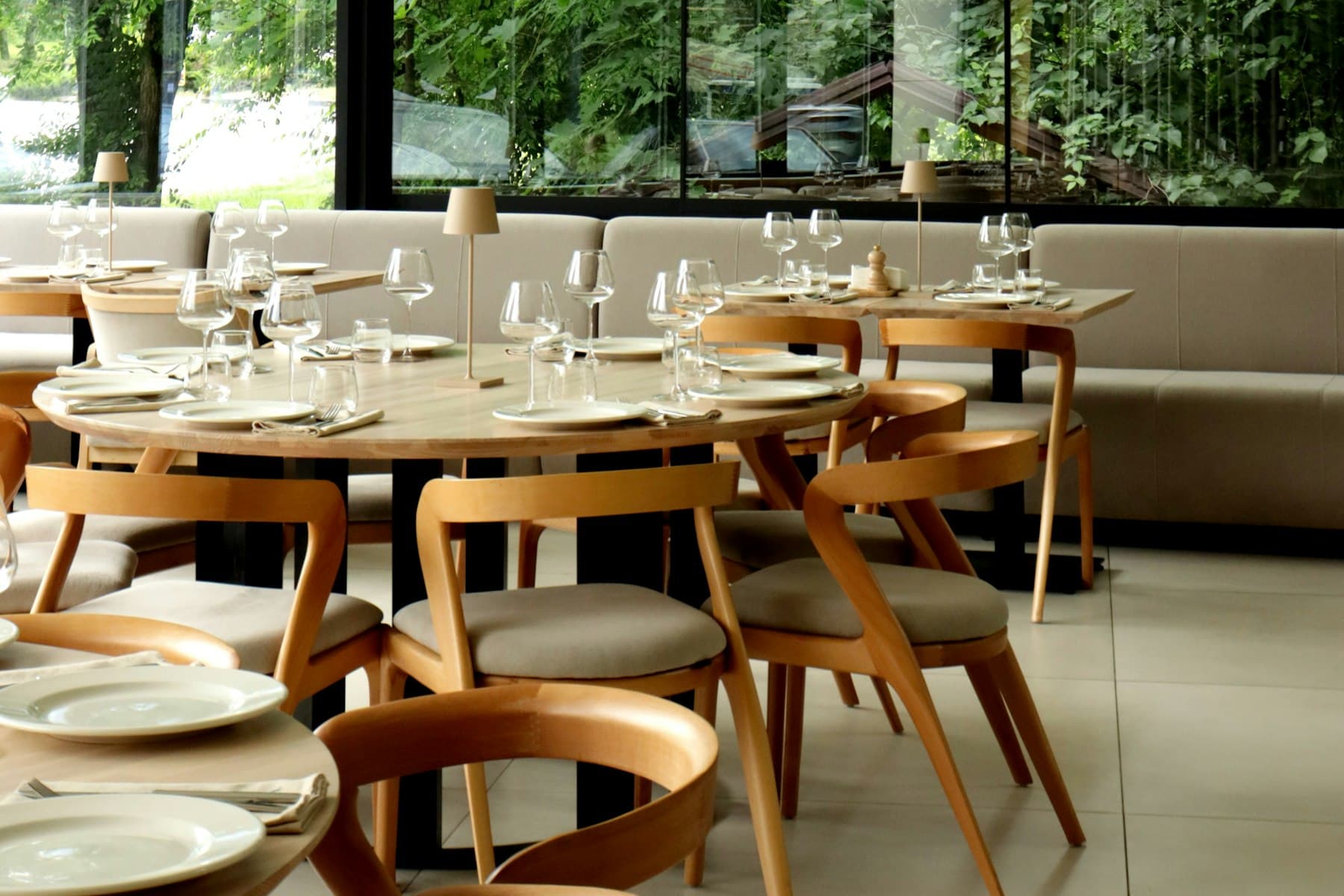
Sunlit dining room with set tables, wine glasses, upholstered seating, and space between chairs
Illustrative photography. Photo by R. G on Unsplash. Evaluate the actual room's service surfaces, seating, and access before booking.

The service model

A private event at your location, not a tour or public class.

Searchers use “mobile wine tasting” for several different ideas: a winery vehicle, a public pop-up, bottle delivery, or an expert who travels. This page is for one guest list and a sommelier-led tasting planned around the location the host identifies.

WineTasting.NYC operates events directly and also refers requests to independent partners. Before booking, your proposal should identify the event operator, contracting party, payment recipient, and who supplies and serves the wine. A partner's venue, staff, or inventory are not our own.

Mobile describes where the event happens. The corporate or private occasion still determines the tone, and the proposal determines what is supplied, coordinated, rented, or left to the host and venue.

Event outcomes

Keep your guest list together in a room you control.

For company planners

Bring the activity into the workday or client agenda.

A mobile format avoids moving the group between locations while giving the event a defined hosted window.

  • Use the office, conference room, event floor, or chosen venue
  • Match the tasting to team, client, leadership, or celebration intent
  • Surface building access and vendor requirements before approval
For private hosts

Make home feel intentional without making it formal.

A guided tasting can anchor a birthday, dinner, anniversary, or social night while leaving room for the host’s food and conversation.

  • Plan around apartment, lounge, rooftop, or private-room constraints
  • Choose a conversational, game-led, or pairing-led flow
  • Name host, venue, and service responsibilities before booking

Format options

Choose the guest flow that fits the space.

These are planning directions, not fixed packages or availability promises. The proposal selects a format and names its operational assumptions.

01

Seated guided flight

A focused tasting around one table or shared room, with a clear wine sequence and enough time for questions without turning the event into a lecture.

Best fit: Apartments, conference rooms, private dining rooms
02

Standing social tasting

A shorter hosted segment or flexible pour flow keeps guests moving when the tasting sits inside a party, happy hour, or reception.

Best fit: Office socials, lounges, birthdays, client gatherings
03

Blind tasting challenge

A guided comparison and optional team scoring add interaction while staying accessible to guests who do not have wine knowledge.

Best fit: Team events, friend groups, company offsites
04

Wine and pairing format

Cheese, charcuterie, chocolate, or an existing menu can shape the flight when the food source, dietary needs, and service responsibilities are clear.

Best fit: Private hosts, client rooms, dinner-adjacent events

Your event brief

Start with the occasion, guest count, location, and budget.

Tell us what the room already provides and what needs to be brought in. Leave uncertain details open so the proposal can resolve them.

Start your mobile tasting brief

The supply plan

Agree on what travels with the tasting.

Use this checklist to compare a host-only scope, a supplied tasting, or a tasting that uses the venue's equipment. Mark each item included, separately quoted, host-provided, or pending. An unassigned item is still an open cost or task.

Mobile tasting supply checklist: agree on each handoff before booking
Part of the eventAsk the operator to specifyConfirm with the room contact
Wine and serviceProposed flight, quantities, substitutions, purchasing party, and person responsible for pouringWho receives deliveries, where bottles are held, and what happens to leftovers
Glasses and waterGlass count, water glasses, spares, delivery, collection, and breakage termsAvailable table space, water source, and whether any washing or replacement service is planned
Food and alternativesNamed food provider, timing, dietary process, and confirmed zero-proof choicesRefrigeration, serving surfaces, ingredient information, and permitted food vendors
People and timeHost duties, separate service staff, setup, hosted period, and breakdownVendor access window, building contact, security check-in, and room-clear deadline
Room and closeoutRentals, equipment, delivery charges, waste removal, and final handoff ownerApproved layout, outside-vendor permission, insurance paperwork, and collection arrangements

One host cannot automatically lead the group, replenish every glass, receive food, and clear the room at the same time. Ask which duties the proposed team covers during the hosted period and which need separate staff. Have the operator confirm the service plan for your actual layout and guest count.

Planning process

From your room to a proposal-ready scope.

01

Describe the gathering

Share the occasion, audience, guest count, date window, borough or neighborhood, venue status, and working budget. A final date is not required to begin.

02

Choose the room flow

The proposal separates a seated flight, standing social format, blind challenge, or pairing-led event before the service plan is finalized.

03

Map the location

Access, tables, refrigeration, water, glassware, food, venue rules, accessibility, insurance, setup, and cleanup are resolved for the actual room.

04

Confirm every handoff

The final scope states what WineTasting.NYC coordinates, what the host or venue supplies, what remains dependent, and who owns closeout.

NYC location checklist

The room determines whether “we come to you” works well.

Offices, apartments, amenity spaces, rooftops, private rooms, and event venues create different constraints. A useful proposal makes these visible.

  • Address, borough, room type, guest count, and seated or standing plan
  • Security desk, guest list, vendor check-in, elevator, parking or loading, and access window
  • Tables, service surfaces, refrigeration, water, glassware, lighting, sound, and waste handling
  • Accessible arrival route, seating needs, restroom access, and accommodation requests
  • Food source, dietary needs, zero-proof participation, and responsible-service expectations
  • Outside-alcohol policy, licensed or permitted service dependencies, COI, W-9, and approvals
  • Leftover wine, rentals, spills, trash, cleanup, and the final room handoff
Use the NYC office venue checklist

A proposal-ready room

Send six details about the location and gathering.

You can inquire before every answer is known. A few room photos or an approved floor plan can help the operator assess table space and access; they do not replace building permission or confirmation of the service arrangement.

Copy these prompts into your mobile tasting request
DetailWhat to share
WhereAddress or NYC area; office, home, lounge, or chosen venue; room reserved or still under review
WhoEstimated guest count, occasion, experience level, dietary and non-drinking participation needs
WhenPreferred dates; guest arrival pattern; access, hosted, and room-clear times
What existsTables, chairs, glasses, water, chilling space, food arrangements, and approved vendors
What needs quotingWine, hosting, service staff, rentals, food, transport, setup, and cleanup; overall budget range
Who approvesHost or company decision maker, building contact, paperwork deadline, and unresolved permissions

For example, a hypothetical 20-person office group might request a guided tasting from 5:30 to 6:30 p.m., with the room available from 4:30 to 7:15. The brief should name the existing tables and water source, then ask for glasses, chilling, food, staffing, and cleanup to be assigned. Those illustrative times are not a package or a guarantee that setup will fit; the operator must confirm them.

If access begins only when guests arrive, or rentals cannot be collected before the building closes, resolve that conflict before accepting a quote. The proposal should separate delivery, setup, hosted time, continued service, breakdown, and any later collection.

Compare the office with a private venue before committing

Questions

What hosts and planners need to know.

Who supplies the wine and glasses?

The proposal should name the wine purchasing and service parties, glassware source, quantities, delivery, collection, and breakage terms. Mobile describes the location model; it does not automatically include every supply or rental.

Can our guests bring their own bottles?

Tell us before the flight is designed. The operator and venue must confirm whether the proposed bottle supply and service arrangement is permitted and workable. Do not buy bottles or promise outside wine until those responsibilities are agreed.

Who will operate and contract our event?

WineTasting.NYC operates events directly and also refers requests to independent partners. Before booking, your proposal should identify the event operator, contracting party, payment recipient, and who supplies and serves the wine. A partner's venue, staff, or inventory are not our own.

What does mobile wine tasting mean?

It means the guided tasting is planned for the office, home, apartment amenity space, rooftop, private room, or venue you identify. It is not a winery tour, public ticket, or walk-in tasting room reservation.

Can the tasting happen in our office?

Yes, when the company and building allow the planned alcohol service and the proposal resolves vendor access, room setup, security, insurance, timing, and cleanup requirements.

Can you come to an apartment or residential lounge?

That format can be scoped when the host confirms building policies, guest access, elevator or loading needs, serving space, outside-vendor rules, and cleanup expectations.

Does mobile mean everything is included?

No fixed all-inclusive promise is made here. The proposal must state who supplies or coordinates the wine, glassware, water, food, service tools, staffing, rentals, setup, and cleanup.

Do you provide a venue?

A venue is not automatically included. This service is strongest when you have an office, home, lounge, private room, or chosen venue. Any venue-search or rental scope must be stated separately.

How many guests can attend?

Capacity depends on the room, seated or standing format, service window, staffing, glassware, food, and venue rules. Share the real guest estimate so the proposal can recommend a workable format.

How is a mobile tasting priced?

Pricing depends on guest count, wine direction, format, staffing, glassware, food, delivery, location access, venue requirements, setup, and cleanup. A working budget helps produce a useful scope without inventing a package price.

Can non-drinkers participate?

Yes. Request zero-proof participation in the intake so water, alternatives, pacing, and the shared activity can be planned without assuming everyone drinks alcohol.
Request a tailored proposal

Tell us where the tasting should happen and what it should accomplish.

Share the occasion, audience, guest count, date window, working budget, and what you know about the room. The next step is a scoped proposal—not a checkout page.

Request a mobile tasting proposalPrefer email? support@winetasting.nyc