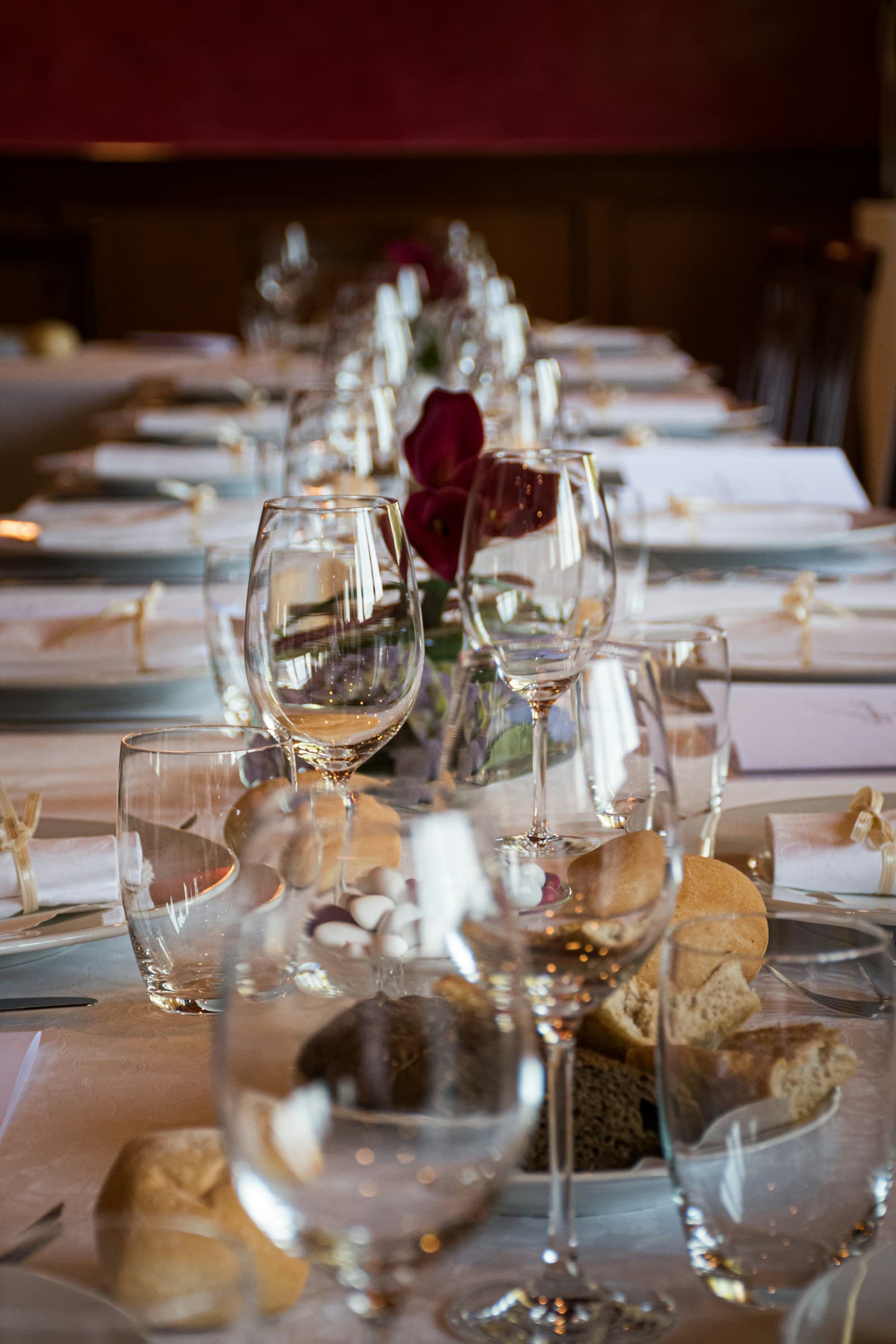
Build the evening around people arriving
A wedding welcome party has a different job from the wedding reception: help guests settle in, meet each other, and feel part of the weekend. Travel delays and staggered hotel check-ins make a rigid tasting class difficult. A hosted reception with short repeatable introductions is often a more forgiving planning choice.
First decide who is invited and how this event relates to the rehearsal dinner. If one group arrives after dinner while another has not eaten, food expectations need to be explicit. A wine activity cannot solve an unclear invitation.
Use a timeline with flexible edges
This two-hour example is an original planning sketch, not a package duration or a required schedule. Move the times to fit your venue and guest travel.
| Time | Guest experience | Behind the scenes |
|---|---|---|
| Before 6 p.m. | Guests receive clear directions | Host and venue finish setup and check service |
| 6–6:30 p.m. | Arrivals, water, food, and introductions | Short wine explanations repeat for new guests |
| 6:30–6:40 p.m. | An optional brief welcome toast | Pouring pauses so the room can hear |
| 6:40–7:40 p.m. | Flexible tasting and conversation | Food and glasses are replenished and cleared |
| 7:40–8 p.m. | Final service and weekend reminders | Planner and host coordinate a graceful close |
Keep the essential message separate from the tasting
Guests who arrive late should still know where to be tomorrow. Put important wedding logistics in the invitation or a clear written note rather than relying on the wine host's opening remarks. The tasting can then stay social and optional.
If the couple wants to tell a personal story through the wines, use a short explanation that can be repeated. A region you visited together or a favorite style can make the event feel personal without requiring every guest to hear a long speech at the same moment.
Resolve food and non-drinking participation early
State whether the event includes dinner, light food, or drinks after dinner. That wording helps guests plan their evening and helps the caterer calculate quantities. If guests will stand, give them places to set down glasses and plates.
Offer water and an appealing non-drinking option from the beginning. The invitation can describe the event as a welcome gathering with a wine tasting, which leaves room for people who want to join the celebration without drinking.
Give each vendor one clear handoff
The venue needs a room-access and cleanup plan. The wine host needs a confirmed service window and a point of contact. The planner needs to know when to cue the toast and how the event ends. One shared run of show can connect those responsibilities.
Avoid routing routine questions through the couple during the event. Assign someone who can approve small timing adjustments and handle guest logistics while the couple spends time with friends and family.
- Confirm who approves wine and food selections.
- Name the on-the-day decision maker.
- Share the venue contact and access instructions.
- Set the toast time and final-service time.
- Clarify baggage, coat, and accessibility arrangements.
- Confirm cleanup and the room handback deadline.
Send a brief that reflects the whole evening
Include the date, guest range, venue, arrival pattern, food expectations, and budget for the welcome event. Mention whether this follows rehearsal dinner and whether the group includes people who will not drink. Ask for a reception format if arrivals are uncertain.
A hosted tasting, full bar, wedding catering, and wedding-day service are separate scopes. Your proposal should say which of them is included so a welcoming idea becomes a dependable plan.