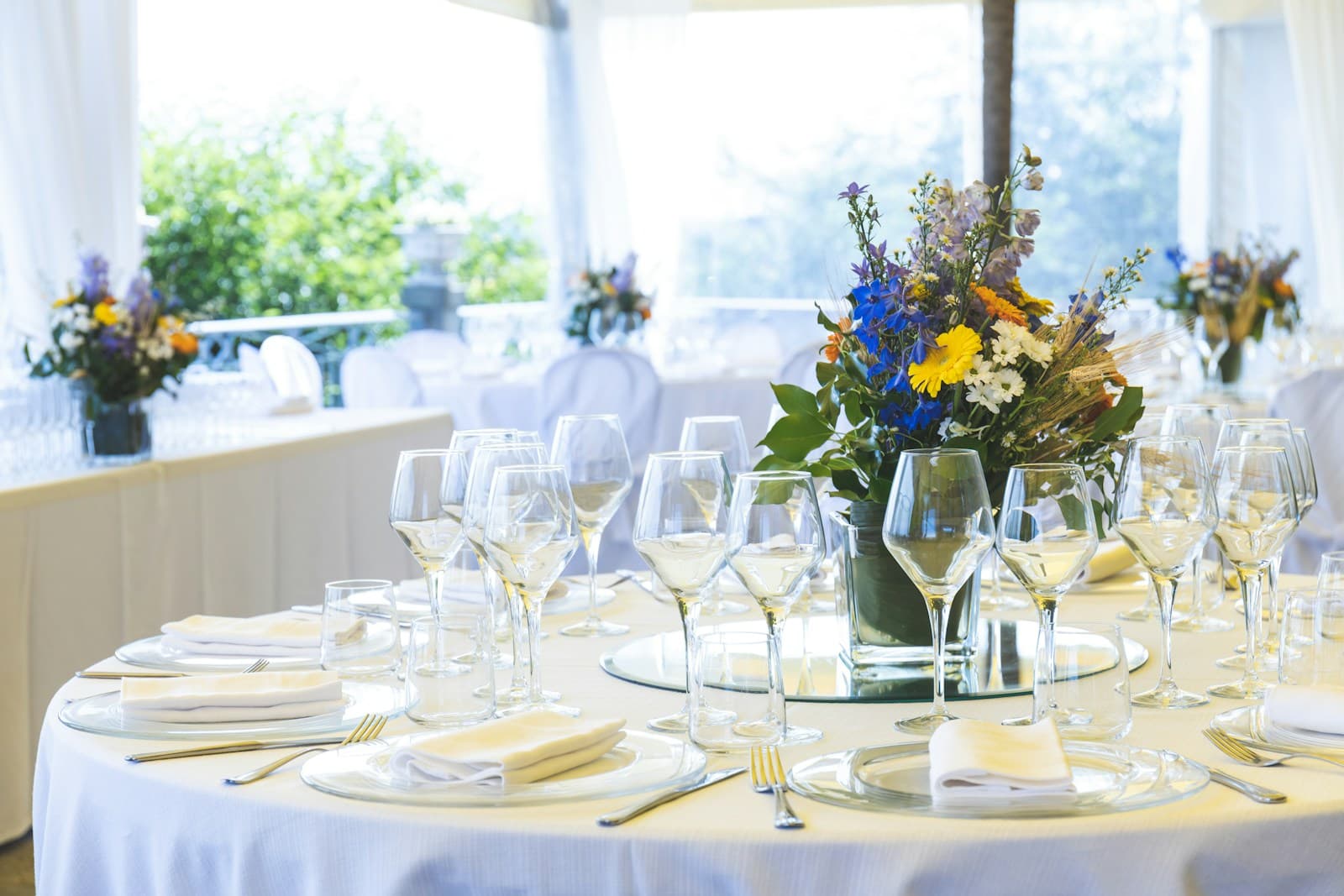
Where can wine be served, carried, and cleared?
A gallery event starts with the venue's rules, not a bottle list. Obtain written guidance on food and beverage zones, proximity to works, glassware, furniture, and cleanup. A beautiful open room may contain areas where drinks cannot travel. Design the tasting around permitted circulation so staff do not spend the evening redirecting guests. A short introduction in an approved hospitality area may be more suitable than stations scattered through the exhibition. The final format should support the art viewing rather than interrupt it.
Make these decisions first
Write down the choices that determine the experience before comparing providers or buying materials. A short, specific brief makes it easier to see whether a proposal actually matches what your group needs.
- Get the gallery's approved floor plan and beverage rules.
- Identify who can authorize layout changes on the day.
- Confirm cleanup, spill response, insurance documents, and access requirements with the venue.
Use a run of show with clear responsibilities
This worksheet is an illustrative planning tool. Adapt the sequence with your host and venue; it is not a confirmed program or a promise of particular inventory.
| Stage | What to arrange | Why it matters |
|---|---|---|
| Before booking | Venue rules and approvals | Gallery representative |
| Setup | Protected staging and service zones | Operator and venue lead |
| Guest arrival | Explain permitted circulation | Welcome team |
| Tasting moment | Brief hosted segment | Wine host |
| Closeout | Inventory and room check | Venue and event lead |
Plan the room as carefully as the theme
Walk the intended route with the venue before finalizing stations. Leave clear space around entrances, display areas, and any restricted surfaces. Avoid assuming existing furniture can hold bottles or glasses. Agree where deliveries wait and how packing materials leave the room. If an artist talk is part of the evening, schedule a service pause and keep collection noise away from the speaker.
The planning mistake to avoid
Do not promise a tasting beside a particular work before the gallery approves it. Likewise, a standard catering layout may be unsuitable for an exhibition. Guest numbers should reflect the approved circulation and service plan, not only the room's visual size. Ask the operator to explain any changes needed when the installation or exhibition layout changes.
Give the evening a useful finish
Keep the approved floor plan, vendor requirements, and service cues together. The best follow-up note records what worked for circulation and which rules guests needed explained, so the next exhibition event starts from an informed plan.
Turn your notes into an NYC event brief
Send the date, guest range, neighborhood or venue, and spending allowance together. Identify what you already have and what needs arranging: host, wine, food, glassware, equipment, or space. Ask the provider to separate those responsibilities and to explain any proposed substitutions before you approve the event.
Keep the approved scope and your final schedule in one place. If the headcount, venue, or activity changes, have the operator confirm how that affects preparation and cost. A clear handoff gives the host time to focus on guests rather than resolve unanswered planning questions at the door.
Quick answers
Wine tasting planning FAQ
Do you provide the gallery venue?
A venue is not included by default. Share your confirmed space or request venue-planning help; availability, permission, and costs must be agreed separately.
Is this a fixed event package?
No. The worksheet is a planning example. A private event requires a confirmed date, scope, operator, and proposal.